
E-commerce capabilities are essential in increasing online business traffic, sales, and client retention. With the digital world turning into a highly competitive environment, choosing the right e commerce features can turn an ordinary website into a source of earnings. Such techniques are not only appealing to the visitors, but they also enhance their purchases, thereby leading to recurring visits. Strategic aspects’ existence makes consumers more trustworthy and satisfied while friction-free navigation and tailored suggestions diminish bouncing. With the development of e-commerce, it is important to focus on usability, security, and marketing integration in long-term development. In this blog, we will examine some of the best e commerce features like user-friendly navigation and search functionality, which enhance SEO, and increase sales using automation. We also look at how these features can help in establishing a loyalty program among the clients to guarantee success in the long term.
What Are E Commerce Features?
E Commerce Features Meaning Explained
E-commerce characteristics are the electronic features that facilitate the purchasing and selling of goods online. It can be 24/7 availability (ubiquity), worldwide reach, individualized shopping, and secure payment.
Why E Commerce Features Are Critical for Online Success
Online success depends on the e-commerce features since they offer 24/7, global access and customer-centric user experiences. It leads to increased sales, customer satisfaction, and business efficiency.
Core vs Advanced Features of Online Stores
| Feature Area | Core Features (Must-Have) | Advanced Features (Nice-to-Have) |
| Search | Standard search | AI search with image/voice search |
| UX | Mobile-responsive design | Personalized dynamic content |
| Checkout | Standard SSL checkout | One-click checkout, local payment methods |
| Marketing | Basic email notification | Automated SMS/WhatsApp Flows |
| Products | Images + Description | 3D models & Virtual try-ons |
| Logistics | Manual inventory updating | Real-time AI inventory forecasting |
| Support | Contact Form/Email | Live Chatbot (AI) |
Essential E Commerce Features Every Website Must Have
User-Friendly Navigation and Search Functionality
Enhancing usability will increase the conversion rates and reduce the bounce rates, thereby improving the ranking of search engines. The easy navigation system ensures the buyer can find products quickly. Thereby, increasing the chances of making a purchase. When creating ecommerce navigation, the aim should be to minimize the number of clicks to access product categories. Although the former type emphasizes the following common pages: “About Us and Privacy Policies, the latter emphasizes more streamlined navigation when it comes to ecommerce. Moreover, the importance of prioritizing user experience (UX) and user interface (UI) during the design process is also evident for mobile devices.
Mobile-Responsive Design
As more and more people are using mobile devices to access e-commerce websites, there is a need to make sure there is mobile optimization. Customers will be satisfied and remain loyal as long as the website is responsive and pages load quickly. These best features for ecommerce website provide a smooth shopping experience on the mobile platform.
High-Quality Product Pages with Images & Descriptions
A product page is not just a site to exhibit pictures and prices. It marks the last point of choice, and customers would choose whether to purchase or not. Top-performing product pages are about being clear and confident. This will involve high-quality pictures, lifestyle pictures that show the product in use, a description that highlights benefits, and clear, well-placed reviews that build trust.
The hesitation reduces when product information provides answers to questions posed by the customers in the initial stages. The simpler the interpretation of the usefulness of a product is to a person, the higher the chances of people making the purchase.
Secure Payment Gateway Integration
A good online store must accept various payment gateways, which include PayPal and Stripe, among international gateways where required. Select a payment gateway that supports a variety of payment modes including net banking, credit and debit cards, digital wallets, etc. This will assist you in combating shopping cart abandonment, where shoppers walk out of your site without buying the goods when they cannot find the method they would have desired to use to pay.
Shopping Cart and Easy Checkout Process
Abandoning the cart is a serious issue in ecommerce, mainly because of the complex checkout procedures. The clients are interested in an easier and open process because long registration forms, mandatory creation of an account, and unseen costs may discourage them. An efficient checkout process focuses on speed and clarity, with quick checkout options, a variety of payment tools, a limited number of input fields, with transparent cost listings. One of the fastest means to boost ecommerce income is through improving the checkout process without having to raise the traffic expenses.
Customer Reviews and Ratings
The stores should have an area where the products can be rated and reviewed. There is nothing more comforting than recommendations from satisfied customers. In addition, negative ratings will help the store owner to make an effort to improve the product. It also helps buyers to be safe against purchasing defective products on an ecommerce site. Ratings can also help you decide on what you have in your store, and what has the greatest customer satisfaction.
Fast Loading Speed and Performance Optimization
The speed of a website greatly affects the ecommerce sales because when customers have to wait a long time to load a site, they are agitated, and the bounce rate increases, especially on mobile. Any slight delays will affect performance, since customers expect pages to load quickly. Even the search engine would prefer fast websites with a higher ranking. For ecommerce site optimization, write less code, use a content delivery network, and keep code clean. Having a faster site creates a better user experience, more connectivity, and leads to the improved conversion rate.
Advanced E Commerce Features to Increase Sales
- Advanced Product Search: Add powerful search tools that improve customer experience.
- Filtering: It should allow the user to refine the products according to categories, criteria, and the relevance of the products to facilitate easy browsing.
- Sorting Features: Allow sorting of the product according to numerous parameters in an attempt to simplify the selection process.
- User-Centric Design: Pay attention to the development of a unique shopping experience. Customers are guided by their unique experience.
- Reduce Cart Abandonment: Make product discovery and ease of navigation easier to reduce cart abandonment.
- Time Efficiency: Make sure those consumers who have time constraints will have direct access to their desired item.
- Quality Customer Service: Focus on the retention of customers through a smooth online shopping experience.
E Commerce Website Features That Improve User Experience
Advanced Filters and Sorting Options
The use of filters and sorting options enables customers to locate what they want easily, to facilitate a user experience on your site. Customers are able to sort the items according to their preferences, including price or popularity. Fashion shoppers can be interested in new products or collections. Make sure users can sort by favorite brands, color, and size so the shopping process is simple and enjoyable for every type of shopper and taste.
Wishlist and Save-for-Later Options
No matter what your product or service is, you will find potential customers who are interested in what you have to offer, although they may not be willing to purchase now. The use of a WishList enables customers to store their favorites and lets you keep track of their preferences and prompt repeat buys. Moreover, WishLists can be used as a useful marketing tool, allowing for better customer understanding and targeted marketing. This is a strength that increases traffic on the site, and it is even more popular among mobile users, rendering it very important to eCommerce websites.
SEO and Marketing Features for E Commerce Growth
Organic traffic of ecommerce businesses is largely boosted by search engines. You can captivate many more shoppers without using paid ads by maximizing your web pages and product pages. Some of the strategies that you can use are the following:
- Make the right use of keywords through research and the incorporation of meaningful ecommerce keywords in product names, product descriptions, and product metadata to enhance visibility.
- Improve the product pages and have very clear headings, great images, and structured data (such as schema markup) in such a way that the search engines can understand and rank your products.
- Produce valuable content like blog posts, purchasing guides, and frequently asked questions to entice the targeted customers. Ecommerce SEO is a long-term investment that will increase visibility and credibility, and customer trust.
Security Features Every E Commerce Website Needs
SSL Certificates and Secure Transactions
Common online security is not complete without the use of the certificates through SSL. These certificates encrypt the information between customers and the servers. It also keeps private information secure. Websites on HTTPS instill trust, whereas websites lacking the SSL can be labeled as not secure, which is damaging sales. SSL is also beneficial to SEO because Google prefers safe websites.
Fraud Detection and Prevention Tools
E-commerce also relies on secure payment gateways, which offer end-to-end encryption, fraud detection, and tokenization, as well as adherence to international standards. This will offer a hassle-free transaction with no storage of credit cards.
Data Privacy and Compliance Features
Sensitive data is coded and encrypted to maintain the safety of the data. It is coded as text and has a token to prevent unauthorized access. This boosts usability, conversion, and search engine ranking. E-commerce navigation must reduce the clicks to product categories and take into consideration the mobile device experience.
ECommerce Functionality List for High-Performing Stores
A fast, customized, secure, and frictionless user experience (UX) is the fundamental element of a high-performing e-commerce store. They gain maximum consumer lifetime value and conversions. Below is an extensive description of the characteristics of the best online stores, according to industry standards of 2026.
| Feature Category | Core Functionalities |
| Advanced Product Discovery & Navigation | AI Search, Faceted Filters, Mega Menu |
| Immersive Product Pages | 360-View, Video, UGC/Reviews, Stock Status |
| Frictionless Checkout & Payments | Guest Checkout, One-Click Pay, BNPL, Auto-Address |
| Personalization & Retention | Cart Recovery, AI Recommendations, Loyalty |
| Backend & Operational Efficiency | Omni-channel Inventory, Self-Service Returns |
| Mobile & Technical Performance | <3s Load Time, Mobile-First, CDN |
Best Features for E Commerce Website Based on Business Type
| Business Type | Best Features | Description |
| Retail/Large Inventory(e.g., Clothing, Electronics) | Advanced Filtering & Search | Use advanced faceted search to navigate large product catalogs (size, color, price). |
| AI Recommendations | One-on-one product recommendations to boost average order value. | |
| Good Visuals/Zoom | Large-sized pictures and 3D images for on-face view simulation. | |
| Boutique/Small Business | Simple/Mobile-First Design | Text-bare design with easy navigation. |
| Social Selling Integration | Easy purchasing via Facebook and Instagram integration. | |
| Guest Checkout | Reduces friction and cart abandonment risk. | |
| B2B/Wholesale | Bulk Ordering/Volume Pricing | Special pricing for large orders. |
| Reordering Functionality | Fast order forms for quick, repeat purchases. | |
| Safe Customer Accounts | Exclusive pricing, net-terms financing, and personalized dashboards. | |
| Digital Products/Subscriptions | Digital License Management | Secure downloads and license handling. |
| Managed Subscriptions | Easy pausing/modifying with robust recurring payments. | |
| Niche Brands/DTC | Product Reviews & User-Generated Content | Boosts engagement and trust. |
| Automated Email Flows | Abandoned cart notifications and back-in-stock alerts. |
Common Mistakes to Avoid When Building an E Commerce Website
Mistake 1. Neglecting User Experience
A bad user experience may result in the high bounce rates and low customer satisfaction.
To avoid them
Take time out to research the activities and interests of your target audience. Create a user-friendly design for your website or application that satisfies customer requirements and engages more.
Mistake 2. Ineffective Visual Hierarchy
The absence of regular images may disorient users.
To avoid them
Keep a logical approach and use soft fonts, colors, and designs to steer the users through the site. This will assist in the attraction and enhancement of navigation.
Mistake 3. Unclear Contact Information
When clear contact details are not given, this can cast doubt.
To avoid them
Always have correct contact information well displayed so as to assure customers of your legitimacy and availability.
Mistake 4. Complicated Checkout Process
Users may also feel frustrated with the lengthy and intricate checkout process and completely abandon the cart.
To avoid them
Make secure checkout as simple as possible, with minimal processes and easy adjustments to the cart, which can greatly increase the conversion rates.
Mistake 5. Lack of an effective Site search functionality.
In case the search engine that you are using cannot work, then users might not be able to find products.
To avoid them
Use refining and advanced search capabilities that enable search to be filtered and narrowed down to simplify customer finding of desired products.
Mistake 6. Weakly Design product pages.
The presentation of the products as well as the product descriptions can be unclear and thus misleading to customers.
To avoid them
Make sure that product pages are properly structured and contain in-depth descriptions and other information to assist in making buying choices.
Mistake 7. Inappropriate Product Images
Poor quality or wrongful pictures may decrease confidence.
To avoid them
Provide a good quality, precise product image that agrees with the description to boost customer confidence.
Mistake 8. Poor Shopping Cart Design.
A poorly designed shopping cart may cause a problem in the process of purchasing.
To avoid them
Develop a user-friendly cart to easily make changes, but to ease the shopping experience.
Mistake 9. Absence of Compelling Calls to Action.
In the absence of powerful calls to action (CTAs), users might not have the slightest idea of what to do.
To avoid them
Include eye-catching and interesting CTAs (such as Buy Now or Contact Us) to help customers make their purchases.
How to Choose the Right E Commerce Features for Your Business
- State Your Business Purpose: Small businesses can be built on low-cost, easy-to-implement platforms such as Shopify and Wix. But as the business grows, it must be scalable and require tools like WooCommerce and Magento.
- Get to know the people you need to reach: When you understand how people purchase things and what technology they are fond of, you can make changes on your site easier.
- Check Out Customer Service Content: Include robots and common questions and answers (FAQs) section. Also, include easy turnaround/tracking options to reduce service requests and increase trust.
- Look into the future: Choose a platform that will allow you to later increase its usage without having to rewrite your site.
- Partnering with the best digital marketing agency in Navi Mumbai: Partner with the digital marketing agency in Vashi, such as Startup Rabbit. They offer affordable services and create attractive and stunning websites for their clients.
Future Trends in E Commerce Features (2026 and Beyond)
- AI as an agent vs. AI as an assistant: Many representatives of the generative and predictive AI, especially the large language models (LLMs), will become even more relevant in commerce than traditional forms of assistive AI. These technologies improve efficiency and personalization, which saves commerce professionals an average of 6.4 hours a week.
- Data Management Significance: Without proper data management and harmonization, businesses cannot capitalize on their most valuable asset: data. Through data integration, companies will gain insights, forecast customer behavior, and improve customer satisfaction. Thereby, culminating in increased revenue.
- Increasing Online-to-Offline (O2O) Commerce: O2O commerce is the concept to fill the gap between physical and online shopping. Through such integration, customers are able to do online research, use AR to view products, and have a smooth transaction, which would enable them to have a cohesive shopping experience.
- History of Social Commerce: Social commerce is evolving speedily, with more than 67% of all shoppers worldwide purchasing products using social media. Augmentation initiatives are being undertaken by social media platforms like TikTok and Instagram. The platforms add shopping experiences such as live shopping and AR try-ons. They also combine shopping and entertainment, and provide consumers with immersive experiences.
Key Takeaways: Must-Have E Commerce Features for Growth
Building an effective e-commerce site capable of achieving successful growth involves more than an operating online customer shop; it involves user-friendly construction, which will include speed, security, and smart technology, which will result in visitors becoming regular customers. The main trends to be targeted in 2026 will be mobile-first design, AI-based personalization, and simplified checkout.
Conclusion
Effective usage of the e commerce features allows growing traffic, sales, and retention rates exponentially. Start with foundational features, like mobile design and secure payments, before progressing to more advanced features like artificial intelligence suggestions and shopping cart recoveries. These e-commerce factors not only address the customer expectations but surpass them, and hence create a loyal customer base in the saturated market.
These ecommerce website features can be customized to suit a business’s success locally by partnering with Startup Rabbit, an SEO agency in Navi Mumbai. As a way to stay on top of the curve, update your site with regular reviews of your website in the trends of augmented reality and headless installations. Install 5-7 simple e-commerce elements today, measure the results with analytics, and see your store thrive as far as 2026 and further.
FAQs
The features of a good online store must include an aesthetically pleasing and appropriate style. It must be mobile-friendly, have a reliable high-speed internet connection, and offer a secure checkout experience with various payment methods.
E-commerce websites need to be safe, quick, and mobile-friendly, as well as having good product pictures with zoom and a search feature that works well on the site.
The ecommerce features that would increase sales include better user experience, trust-building, and conversion, which is achieved by simple technology.
The two biggest ones are the AI-driven search and personalization, Omnichannel experience (social shopping, mobile apps integration), automated inventory/logistics and analytics, and secure and diversified payments.
To make an e-commerce site more efficient regarding its performance, the multi-layered strategy with an emphasis on speed, mobile experience, and user trust is needed. Some critical measures are compressing images, using a Content Delivery Network (CDN), and simplifying the shopping cart experience. It enables the software to make pages load fast, and caching by the browser, and lazy loading components to speed up load times and enhance conversions.



Related items
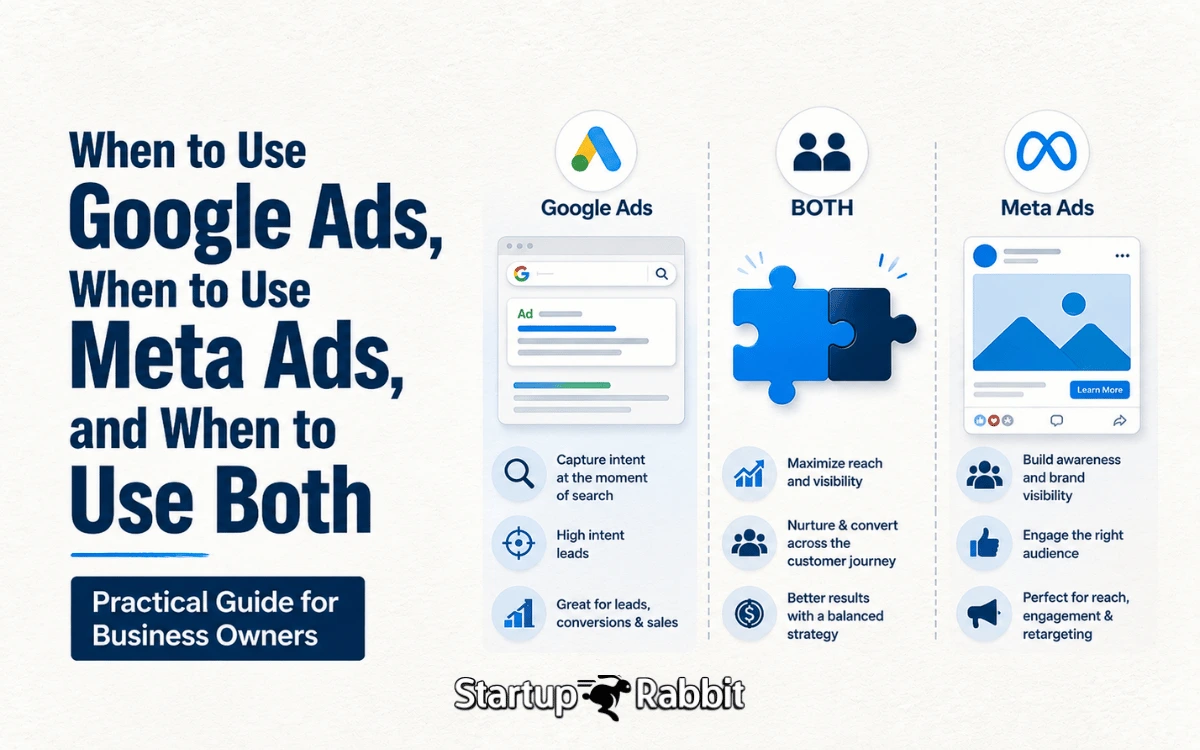
Almost every business owner eventually asks the same question: should our ad budget go to
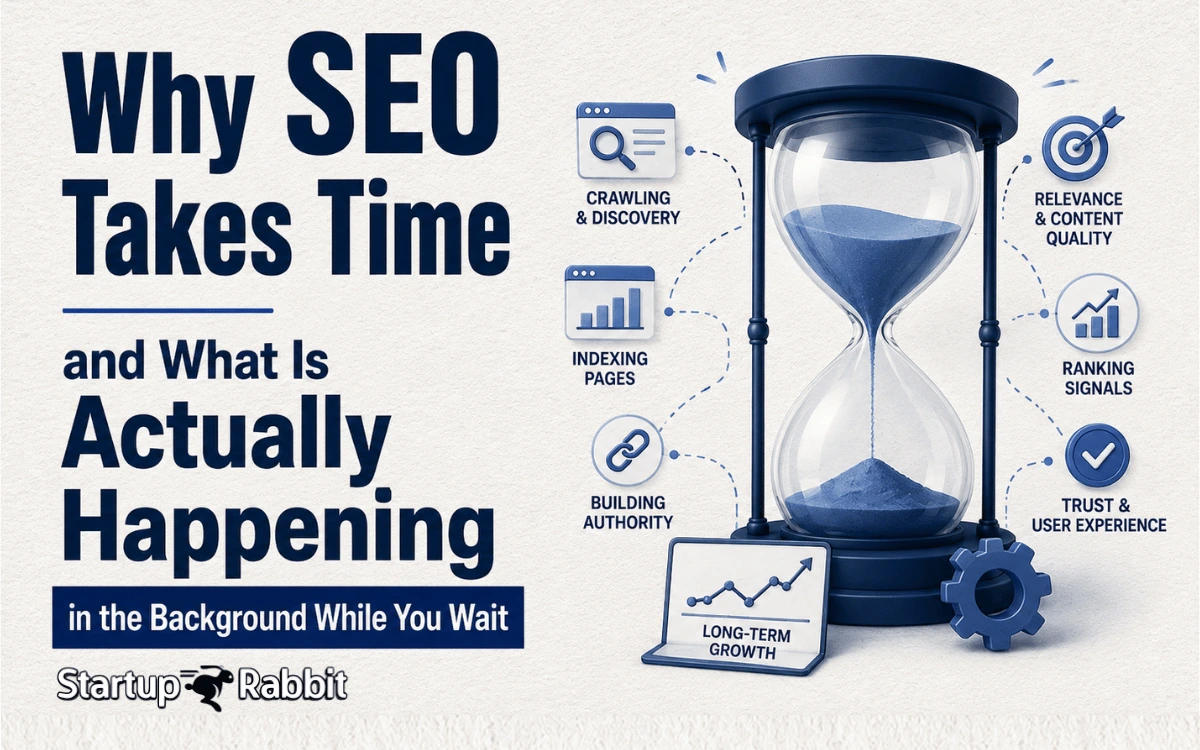
Every business owner asks some version of the same question within weeks of starting SEO:
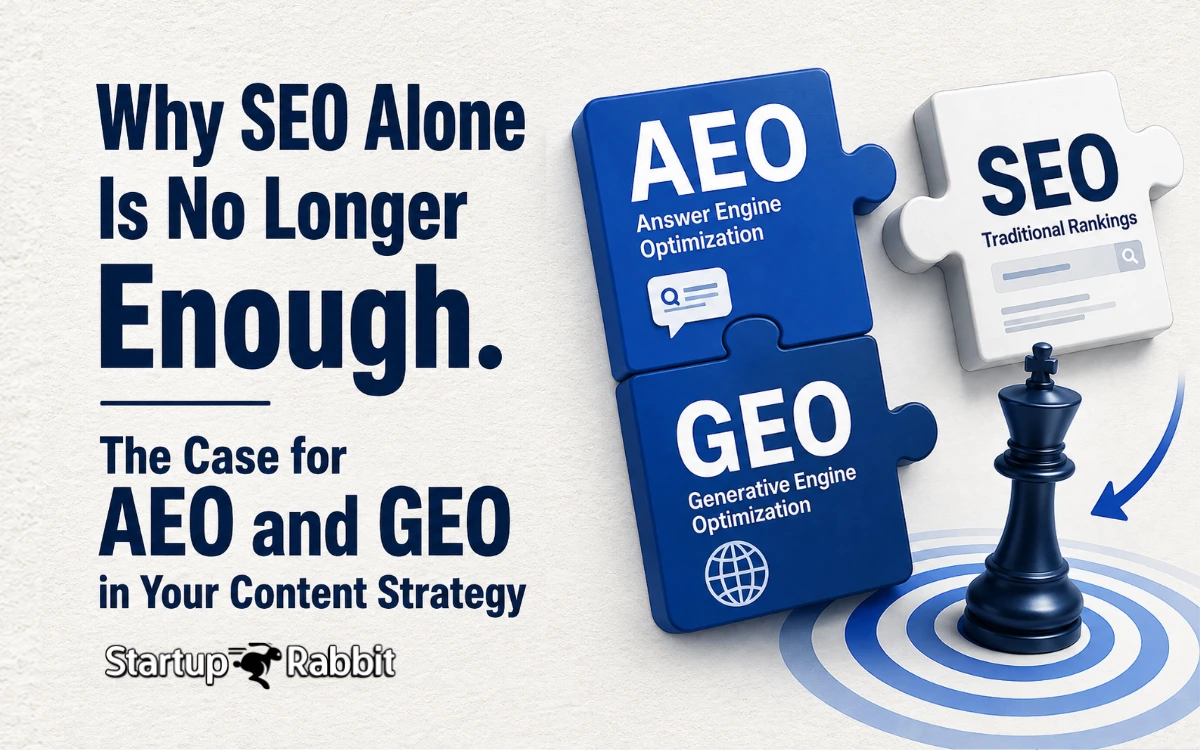
Search has evolved from blue links to a rich mix of answers, conversations, and AI-generat