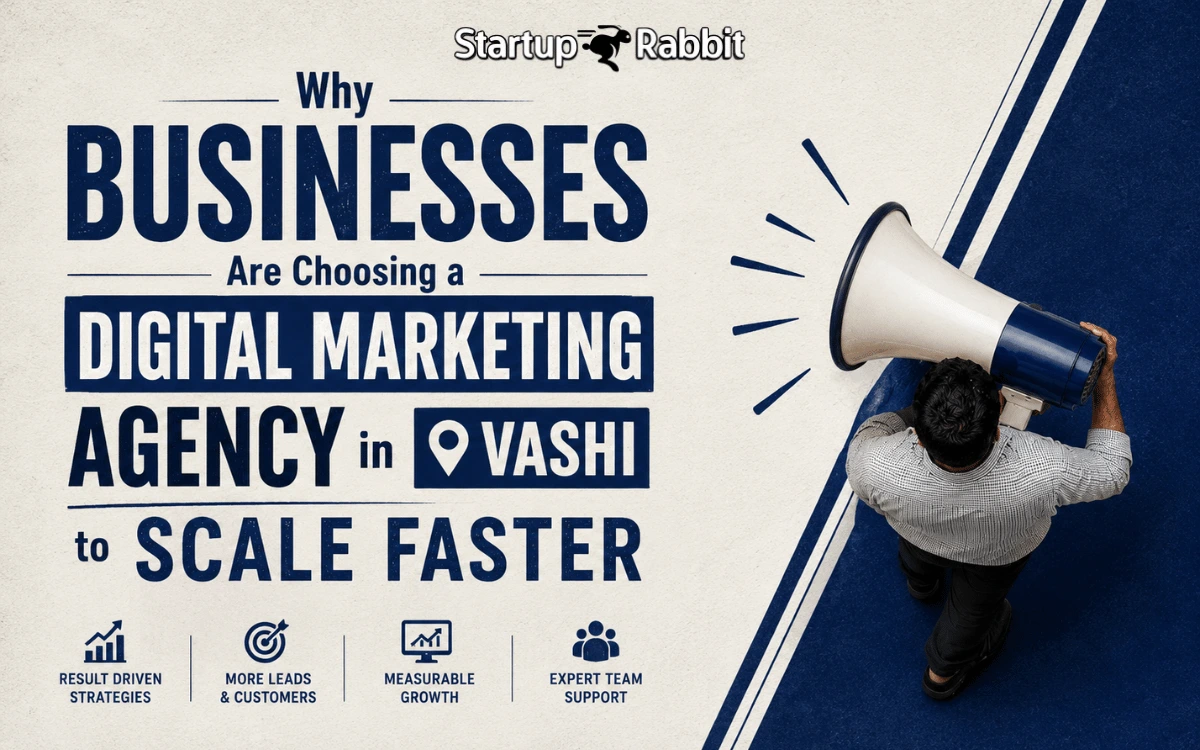
Walk down Palm Beach Road on any given evening, and you’ll see the problem in front of you: restaurant after restaurant, clinic after clinic, showroom after showroom, all fighting for the same few thousand people who happen to be walking past. Vashi has never really had a “quiet” commercial stretch. Sector 17, the malls, the sector markets, and a few kilometres away, the APMC complex – a wholesale trading hub spread across roughly 72.5 hectares, with somewhere around 8,620 licensees and over a thousand vehicles rolling through it on an average day. That’s not a sleepy suburb. That’s a lot of businesses chasing the same customer, all at once.
So the question isn’t really whether you need to market yourself. It’s whether you’re doing it in a way that actually works, or just doing something because everyone else seems to be doing it too.
The gap nobody talks about
Here’s a number that surprised me a little when I first came across it: roughly half to sixty percent of small businesses in India still don’t have a proper website. Compare that to somewhere like the US or UK, where it’s closer to a quarter. That’s not a small gap – it means a huge chunk of your competition in Vashi is basically invisible to anyone searching on their phone.
Which cuts both ways. It’s bad for those businesses, obviously. But if you’re the one who’s actually invested in showing up online, it means you’re not fighting nearly as many people for that space as you’d think.
And the businesses that have made the shift are seeing it pay off. A CPA Australia survey from late 2025 found 80% of Indian small businesses reported growth that year – well ahead of the regional average of 63% – and pointed to technology adoption as one of the main reasons. Nearly nine in ten of those businesses said more than a tenth of their revenue now comes through digital payments, and about three-quarters said the same about e-commerce. Digital isn’t a “nice to have” anymore for a small business in India. For a lot of them, it’s already where a meaningful chunk of the money comes from.
Why local actually matters (and it’s not just a sales line)
A national agency will tell you they understand your market. A Vashi agency actually has to prove it, because you can just… check.
The retail and dining crowd around Sector 17 doesn’t behave the same way online as the trade audience around APMC. And neither of those looks much like the residential, service-driven demand tucked into the sector markets. A generic agency working from Bangalore or Pune will treat all of that as one pin on a map labelled “Vashi.” Someone actually working here day to day tends to pick up on the difference – not because they’re smarter, just because they’re closer to it.
There’s also the boring but real advantage of proximity. When a campaign needs a quick change – a creative that isn’t landing, a budget shift because a competitor just launched something – it moves faster when you can actually get someone on the phone (or, honestly, just walk over) instead of waiting on a ticket queue three time zones removed from your problem.
What you should actually expect from an agency here
Not every business needs every one of these at once, and a decent agency will tell you that instead of selling you the full package on day one. But the toolkit generally covers:
SEO – both “near me” local search and the broader keywords that pull in demand from outside Vashi entirely. Social media, tailored to wherever your specific customers actually spend their time, which varies more than people assume. Performance marketing and PPC, aimed at leads you can actually count, not just impressions nobody can act on. A website that’s built to convert a visitor into an enquiry, not just look nice. And content or email work that keeps talking to the people who found you but weren’t ready to buy yet.
Where the real opportunity sits right now
Google Maps has quietly become the first stop for a lot of local decisions – more people check it before ever walking into a shop than most business owners realize. A business with an outdated or half-finished Google Business Profile is, for practical purposes, not there at all when that search happens, no matter how good the actual product is.
Lead generation only works if someone’s thought past the click. Plenty of campaigns generate a lot of traffic and very few actual enquiries, because nobody planned what happens after someone lands on the page.
If you’re only selling through your storefront, you’re leaving something on the table – e-commerce is already contributing double-digit revenue for most surveyed Indian small businesses that have it set up.
And if you’re a two- or three-person operation without a marketing department, automated follow-up tools are basically the only realistic way to respond to leads at the speed customers now expect.
Who tends to benefit most
Healthcare and clinics see a lot of value here, because patients now research and shortlist providers online long before booking anything. Real estate and construction too – big, considered purchases where trust built online matters more than most people expect. Manufacturing and industrial businesses are increasingly finding B2B leads through digital channels rather than relying only on referrals. Retail and e-commerce depend on it directly, especially given how packed Vashi’s retail scene already is. And IT, SaaS, and professional services tend to attract buyers who do a lot of their own research before ever picking up the phone – which rewards good content and SEO more than cold outreach ever will.
Picking the right agency without getting burned
Ask about experience with businesses actually similar to yours – size, category, ideally the same general area – not just a long client list. Ask for real numbers from past work, not a capabilities deck. Get clear on what reporting looks like and how often you’ll see it, before you sign anything, not after. And make sure you actually know what’s included at whatever price they quote you, because that’s usually where the surprises show up three months in.
On pricing
What you should spend depends on what you’re actually trying to achieve first – more leads right now, long-term visibility, brand awareness – not on grabbing whatever’s cheapest. The number that matters isn’t the invoice anyway, it’s what you get back for it. That said, for context: in Vashi, focused single-channel work tends to run somewhere around ₹10,000–₹20,000 a month, and a full, coordinated strategy across several channels usually lands somewhere between ₹30,000 and ₹60,000+ a month, depending on how much is actually running and how competitive your category is.
Why one team beats three vendors
Split SEO, ads, and social across three different providers and you often end up with three different strategies that don’t talk to each other – and nobody accountable when they contradict. One team keeps the messaging consistent everywhere a customer runs into you, and it lets channels actually reinforce each other instead of working in isolation – content backing up SEO, ads following up with people who visited organically but didn’t convert the first time around.
A few questions worth asking before you sign anything
What channels do they actually specialise in, and does that match where your customers spend time? How exactly will success be measured, and is that agreed before the work starts? What does reporting actually look like, and how often? And can they show you results from something close to your situation, not just their single best unrelated case study?
Bottom line
Vashi’s density is a double-edged thing – plenty of potential customers close by, but plenty of competitors chasing them too. With more than half of small businesses in India still barely visible online, the ones that actually put in the work on local SEO, coordinated advertising, and a real digital presence aren’t just keeping pace. Most of the time, they’re the ones quietly pulling ahead while everyone else is still deciding whether it’s worth the effort.
Quick answers to the common questions
Roughly ₹10,000–₹20,000/month for a focused, single-channel setup, up to ₹30,000–₹60,000+/month for something comprehensive across several channels.
Usually some early movement within 60–90 days, with the real, compounding growth showing up somewhere between months four and twelve. Anyone promising faster than that is probably overselling.
For most businesses here, yes – mainly because local knowledge of the specific sub-markets tends to beat a generic, one-size-fits-all approach on speed and relevance.
A properly coordinated strategy across SEO, ads, and content is built specifically to generate leads over time – not a one-off traffic spike that fades the moment you stop paying attention to it.

Related items
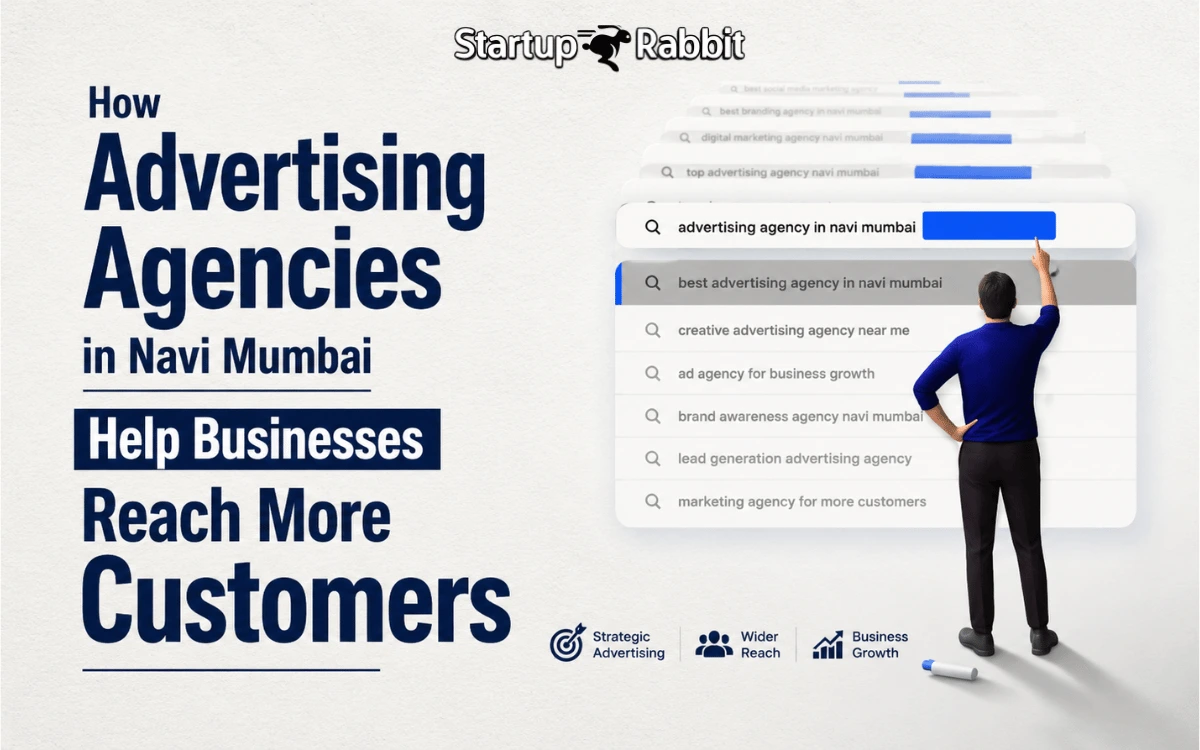
Advertising today spans far more than a single print ad or a billboard — it’s a coordinate
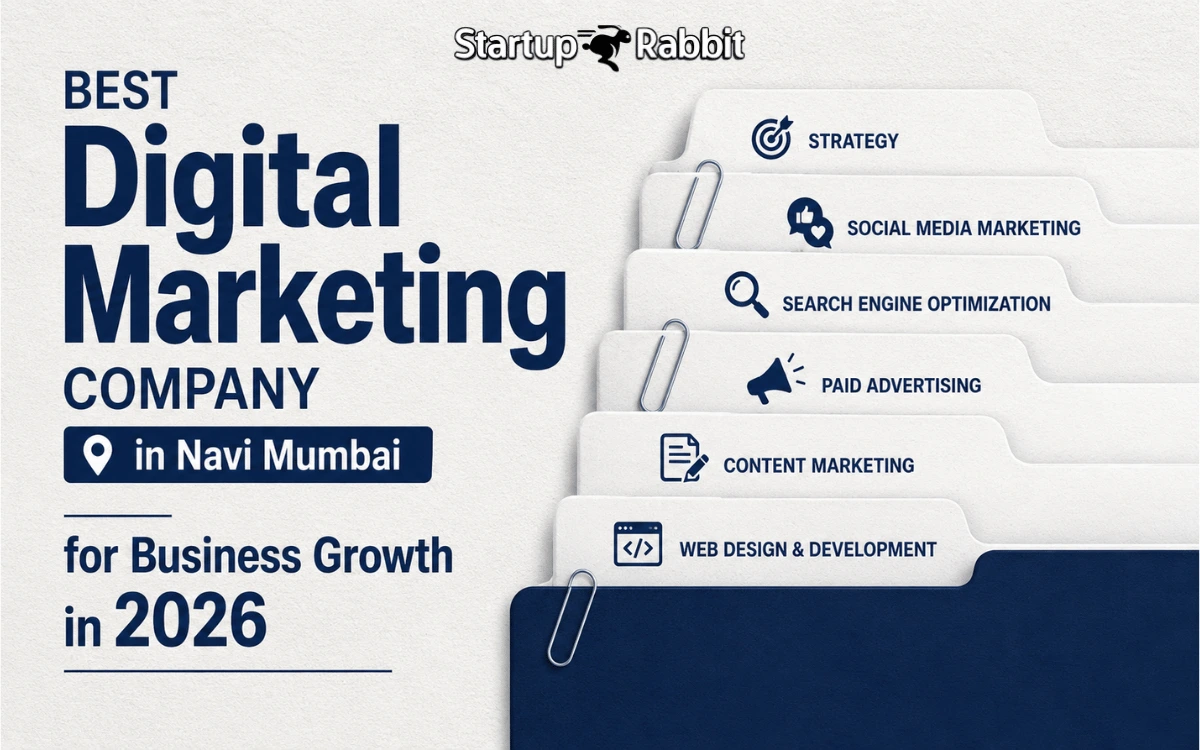
Navi Mumbai has changed a lot in the last few years – healthcare, real estate, manufacturi
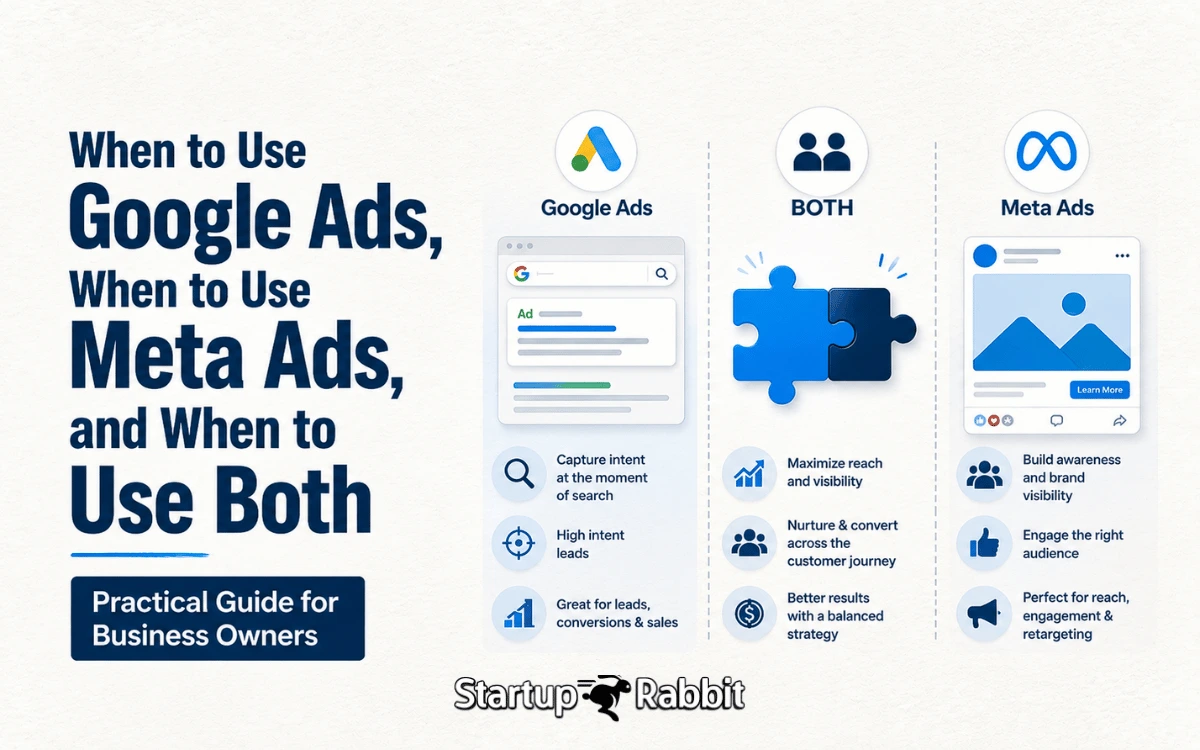
Almost every business owner eventually asks the same question: should our ad budget go to