Digital marketing strategist is a person defining the whole strategy on how to use marketing to grow business. They do not just manage and execute single marketing campaigns, but rather connect the goals of the business, insights of customers and knowledge of channels to form a solid plan. This enables lead generation, customer conversions and building of brand value. The right strategy for a company ranging from startups to established businesses would minimize ad spending, make better choices about the appropriate channels, and build a repeatable marketing cycle for growth. This blog will help you understand who a digital marketing strategist is, why this job role is important – especially in India – and if you need one. Read the blog to understand the job responsibilities of this position, skills you need when hiring, and errors companies tend to make without this strategic approach. Furthermore, find out the various ways in which you could acquire strategic marketing guidance.
Who Is a Digital Marketing Strategist?
Understanding the Role Beyond Marketing Execution
A digital marketing strategist plans and develops all of a business’s digital marketing strategies. These strategies help.a company gain customers ormarket awareness to achieve goals. Needless to say digital marketing can implement across channels. But all channel specific digital marketing initiatives fall in line with a greater marketing strategy.
How Strategists Connect Business Goals With Marketing Activities
Digital marketing strategists don’t just work to make digital marketing strategies work; they implement what they plan. A strategist will look to convert the business goals into a series of marketing strategies. They state why and where specific experiments should be run and what types of messages to use for certain groups.
Difference Between a Marketer and a Marketing Strategist
| Aspect | Marketer | Marketing Strategist |
| Primary Role | Focuses on executing marketing strategies through campaigns and day-to-day activities. | Focuses on long-term business growth, market positioning, and overall marketing strategy. |
| Main Objective | Implements the roadmap to drive engagement, leads, and sales. | Creates a roadmap to help the business achieve its long-term goals and stay ahead of competitors. |
| Key Responsibilities | Manages SEO, paid advertising, email marketing, social media, content creation, and campaign execution. | Analyzes market trends, identifies target audiences, defines brand positioning, and designs the sales funnel. |
| Focus Area | Daily marketing execution, campaign performance, lead generation, and content management. | Strategic planning, business objectives, market research, and competitive analysis. |
| Decision Making | Decides how to execute campaigns based on the strategy. | Determines what marketing approach the business should follow. |
| Typical Question | “What content should we publish this week, and how many leads did our latest campaign generate?” | “Who is buying from us right now, and how do we reach the next customer before our competitors do?” |
| Time Horizon | Short-term campaign execution and ongoing optimization. | Long-term planning and business growth. |
| Success Metrics | Website traffic, leads, conversions, campaign ROI, engagement, and sales performance. | Brand positioning, market share, customer acquisition strategy, and overall business growth. |
| Primary Skills | Content marketing, SEO, PPC, email marketing, social media management, analytics, and campaign management. | Strategic thinking, market analysis, business planning, customer research, and competitive intelligence. |
| Overall Contribution | Executes the strategy effectively to achieve measurable marketing results. | Builds the marketing strategy that guides the business toward sustainable growth. |
Why Strategic Planning Matters for Business Growth
They map the customer’s journey towards specific goals that align with business results and determine what experiments need to run and in which order. Also, the budget needed to invest to meet a specified target.
In other words, a strategist ensures that every campaign will lead to profit and growth.
What Does a Digital Marketing Strategist Actually Do?
- Audience Understanding: A digital marketer is able to develop the understanding of their customers in terms of behavior as they know the current and target audiences by developing profiles.
- Channel strategy: It is very useful for the digital marketing strategist to identify specific channels for specific purposes from all possible choices of search engines, social networks or e-mails.
- SEO and content strategy: The strategist works to utilize knowledge of overarching marketing objectives to further promote website visibility and engaging content on search engines that appeals to the preferences and demands of its target audience.
- Campaign design and delivery: Experts create and execute marketing campaigns – on product and service, new seasonal or in time for the holiday – to deliver on desired results and marketing goals.
- KPI monitoring: Through performance measurement in terms of KPI’s strategists use analysis in terms of data to enhance their strategies.
- Team leadership: The team must include strategists who work with graphic artists, copyrighters etc to execute strategies that are both innovative and results-oriented.
Key Marketing Strategist Skills Required for Success
- Data Analysis: It is important to actually have a look and comprehend data. Researchers check reports, record and make discoveries for sample trends.
- Communication: Using clear wording and conveying messages simply are essentials for people working in communication roles. You want to make sure your team’s ideas get across without any complications.
- Technical knowledge: The teams here know all the tips and tricks for operating and handling digital platforms and tools.
- Strategic thinking: Everyone on the team knows the bigger picture and outlines a plan in which every member can pursue the common goals of the team and the organization.
- Creativity: Digital marketers bring the sparks of ideas to life. Designers conceptualise, then create campaigns, with an aim of snagging attention.
- Adaptability: These professionals observe how things change on the internet and keep up to date with the trends.
How a Digital Marketing Strategy India Businesses Need Differs From Global Markets
1. Understanding Regional Consumer Behaviour: The digital marketers in India have customized their marketing in regional languages and cultures.
2. The audience inclination on the platforms: Indians prefer investing time into social media like Instagram, WhatsApp and YouTube rather than investing in professional networking platforms like LinkedIn, which is used across the globe.
3. Budget Allocation for Indian Businesses: The majority of businesses in India focus on the cost-effective approach through digital marketing. SEO and Social Media Marketing are one of the few areas where businesses get visible outcomes and good ROI.
4. Content Style and Messaging: Digital marketers here emphasize on storytelling and an emotional connect in their marketing. They bring out content that build up trust among the target customers and make them feel relateable.
5. Adoption of Digital Marketing Trends: Businesses in India quickly adopt AI and Automation trends with adaptations for regional usage. Thus, businesses need to have awareness of such latest digital marketing trends to sustain the competition.
6. Local SEO and Regional Marketing Considerations: Local search and optimisation of Google Business Profile, along with regional keywords can help local retail stores, SMEs etc connect with the local people.
The Role of a Growth Marketing Strategist in Scaling Businesses
- Market and Competitor Research: Here marketers do the overall research of the market. This includes the industry, trends, customer behavior, and what the other players are doing. That way, they can identify where there are new opportunities.
- Strategic Roadmapping For Progress: The next step involves crafting definitive plans that would lead the business smoothly through the scaling stages.
- Customer Acquisition & Retention Strategy: This step entails coming up with techniques on how to win new customers and maintain the current ones’ loyalty.
- Revenue Model Optimization: In parallel, they optimize existing revenue models, including pricing, sales channel, and sources of income.
- Process Improvement and operational efficiency: Meanwhile they also eliminate constraints and optimize the workflows for easy implementation.
- Brand Positioning & Growth opportunities: Moreover, fine tuning your brand message and pursuing potential market entry and expansions that match our strengths.
- Performance Tracking & KPI Execution: Last but not the least, they would set in place a tracking mechanism that would monitor the success of all the strategies and plans they put in place by measuring the key performance indicators (KPIs).
Brand Strategy Digital Marketing – Why Both Must Work Together
1. Brand awareness & Recognition: Digital marketing offers you a strong chance to increase awareness and recognition of your brand in various media channels with clear & unified brand messages.
2. Creates Customer Loyalty and Retention: This cohesive branding strategy will create an emotional connection with the brand creating loyalty and making it stand out from the rest. Consistent delivery of brand messaging, day after day via marketing programs builds connection.
3. Develop trust and Credibility: A well-thought & consistent branding across your entire digital marketing activity builds customer’s faith and credibility and provides reliability. They believe in you to get services/ products that meet expectations.
4. Enhances efficiency of marketing & Increases ROI: Increased targeted advertising by the integrated branding of campaign activities improves the overall marketing efficiency. It also improves the efficiency of various campaigns, which is part to the ROI. In simpler words, higher efficiency leads to higher Return on Investment of the campaigns.
5. Can be Scaled up by Brands Across Channel: A strong foundation laid down will make the brands reach much further across the channel i.e. Social media, PPC, SEO, and email marketing etc. All this efficiency gained will become an easy path for newer channels in the future.
How a Digital Marketing Strategist Builds an Integrated Marketing Strategy
1. Keyword Optimization: SEO is a long-term process, and PPC helps in finding effective keywords within a shorter period. You will be able to view the keyword(s) that is/are converting with the running PPC ads. This will help inform your SEO campaigns.
2. SEO & PPC Synergy: Research has demonstrated that the synergies between SEO and PPC campaigns are significantly higher when both are collectively employed. Collectively it’s a synergy that boosts the overall marketing efficacy.
3. Link Building & Content Sharing: get high-quality Backlinks to help build a better domain authority. More backlinks will mean more Social media and email marketing has become effective.
4. Personalization: An email marketing campaign personalizing messages, in particular, helps to “capture” the visitor’s e-mail for further communication. This also helps to create retargeting lists for custom ads.
5. Building Brand Awareness: By boosting the social media presence, brand awareness is increased. When a customer becomes familiar with a brand, they may be more inclined to look for it later which can improve PPC and SEO results.
6. Content optimization: The experimentation and content optimization. You are capable of drawing useful conclusions that can inform your website content. Thereby improve the engagement and conversion rates for all of your digital marketing actions.
Digital Marketing Roadmap – From Planning to Execution
Step 1: Develop SMART Business and Revenue Goals
Decide where to focus (lead generation, brand awareness, sales) and then identify ways to measure your success.
Step 2: Assess your digital landscape
Take a critical look at your website’s performance, SEO efforts, PPC results, social media engagement and lead tracking process.
Step 3: Select the optimum mix of channels
Concentrate your efforts on marketing channels, based on purchase intent, length of sale and competitiveness.
Step 4: Develop a content strategy road-map
Your strategy must cover the stages of the buyer journey and align with SEO objectives. It allow you to generate useful lead nurturing content.
Step 5: Combine marketing and sales
You need to track, qualify and follow-up leads quickly with automation.
Step 6: Develop a quarterly digital marketing roadmap
It may be more manageable to concentrate on your goals quarter-on-quarter, in order to adapt more rapidly to changes in your environment.
Step 7: Monitor key performance indicators and optimize
Keep an eye on what your performance indicators say, and use that data to develop your strategy.
Marketing Strategy for Startups India – Common Challenges and Solutions
1. Low Budget and Resources
Problem: In startups there are less funds to be spent in marketing campaigns. The entrepreneur usually spends more money and efforts on product development, business and operations. Because of that, promotional efforts on digital marketing are minimal.
Solution: Adopt cost-effective strategies such as search engine optimization (SEO) and e-mail marketing. Free marketing tools like Google Analytics and Mailchimp, working with agencies without initial costs could be other solutions.
2. Absence of a clear Strategy
Problem: There is no defined digital marketing strategy. Many startups do digital marketing in a way that does not lead to any conversion rate.
Solution: Set SMART goals and have content calendars. Keep track of KPIs such as lead generation, conversion rate, etc. And work with digital marketing agencies to have proper strategy.
3. Strong Competition
Problem: Highly competitive marketplace for startups in India to grow and survive against the high-funded brands in order to survive.
Solution: Build emotional relationship with the target audience by focusing on telling stories & customized marketing strategies. Use SEO to get higher brand visibility over a period and consult an agency such as Startup Rabbit to find out niche solutions.
4. Swiftly changing Trends
Problem: Startups often fail to understand new digital marketing trends and the ever changing customer buying patterns.
Solution: Get insights by subscribing to marketing blogs and newsletters. Assign a dedicated resource for tracking trend or hire specific marketing agency and take the plunge to test smaller campaigns.
Performance Marketing Strategist vs Digital Marketing Strategist

Marketing Consultant India vs Full-Time Digital Marketing Strategist

Fractional CMO India – An Alternative for Growing Companies
What Is a Fractional CMO?
A Fractional CMO is an experienced marketing executive that companies can hire part time or on a contract basis for marketing guidance and expertise for only a fraction of the cost of a full time CMO.
How It Differs From a Marketing Strategist
A Fractional CMO joins your team and integrates as part-time executive leader focused on developing the long term strategy, owns marketing results, and takes on managing your internal resources or agency. In comparison to a Marketing Strategist (or consultant), who works with you to identify the problem, designs a specific marketing plan till completetion of project. After which they act as an external, temporary advisor.
Benefits for Startups and SMEs
1. Save money on cost. Companies can save more money compared to hiring a full-time executive as it saves the hassle of salary plus other benefits.
2. Flexibility. It will enable businesses to gain from this expertise and support on part-time basis without needing a full-time professional.
3. Objectivity and Fresh Perspective. A Fractional CMO will also give unbiased analysis of the company and will help to make improve and be more strategic.
4. Unique skills and experience. Due to experience in all aspects of marketing, they would not be stuck to a particular process, but would know all of the possible options and have a working knowledge of them to develop a working plan.
5. Specialist network. As a fractional CMO you can use my vast network of experts in every area of marketing. This saves companies time.
6. Reduce the work pressure and work of the team. Managing your brand’s strategy, and even budget for that matter, can be extremely taxing and this could be avoided with the help of a professional.
7. Be strategic. As the CMO will analyze the company and the market situation and advise accordingly on marketing strategy.
8. Achieve tangible results. Our team is a results-oriented team and help businesses grow in all the sectors of the market.
When Businesses Should Consider a Fractional Leadership Role

Common Mistakes Businesses Make Without a Marketing Strategy
1. Targeting the Wrong Audience
Mistake: Lack of data on ideal customer-Businesses think they know their perfect customer but do not. Marketing spent in the wrong direction.
How to Avoid: Existing research will inform your decision making process. Database research, surveys, focus groups, and competitor research are some points of great importance. Clarify your targets using demographics, and learn how to refocus your business by using behavior instead of input data.
2. Ignoring Competitor Analysis
Mistake: Not considering that the information presented internally is only part of the puzzle, as there is important information that competitors are offering as well. It is a mistake when the strategy is limited to the internal market.
How to Avoid: Conduct market and competitor research. What other services do you know of that have much the same service offering as you, or as similar maybe, what are they priced with, how are they advertise and what type of comments made by their customers.
3. Dependence of Assumptions over Data
Mistake: Assuming what consumers want without first doing proper research can result in creating a product that is not necessary and is not fit.
How to avoid it: Rely on data from survey statistics, and market reports for your strategic decisions. Design mini-test programs on emerging trends and also make sure to track trends on an ongoing basis.
4. Launching Before You Test Market
Mistake: This can lead to selling an idea no one wanted anyway.
How to avoid it: Test via beta testing, market feedback and A/B testing your marketing efforts. You can run a pre-launch test to make your product or service better before it’s on the market.
Future Trends Shaping Digital Marketing Strategy
1. Personalization At Scale: Many companies are now using AI to give the customers personal product suggestions and an immersive shopping experience. They use it based on past purchase behavior or data, like how Amazon recommends us a particular type of book or dress.
2. Optimization for Voice Search: If we use our smart speakers more than ever before for searching for products, how is the business going to tap that market? They need to restructure their content according to the voice queries, using natural language and voice keywords.
3. Rise of Video Marketing: From TikTok and Instagram short videos, all have one agenda to engage and entertain more to the younger crowd. Videos can make it easier for customers to shop through interactivity features as they will provide a direct link between the content and the purchase.
4. Privacy-Centric Ads: It is high time to become transparent with the usage of customers data as there is increasing awareness about privacy. The EU GDPR policy and elimination of third-party cookies has pushed for these strategies.
5. Immersive Experience With AR & VR: IKEA is using apps in Augmented and Virtual Reality which helps its customers to virtually check the furniture at their home to check its suitability for space. AR & VR help to better engage and increase the purchase likelihood.
Conclusion
A digital marketing strategist bridges business goals and marketing channels that can achieve those goals. They employs data, measurement, analysis and creative thinking to help their clients realize predictable growth and positive ROIs. In India, there are varied types of consumers and social media usage behaviours. Hence, a local digital strategist can leverage the available resources cost-effectively. For small-sized companies, it may be prudent to hire a digital marketing consultant or a fractional Chief Marketing Officer before eventually scaling up to a full-time digital marketing strategist. Looking for satisfactory results from your current marketing activities, or need a structured way to grow your business, a digital marketing strategist would be a worthy investment.
FAQs
The digital marketing strategist conceives and manages data-driven online campaigns that promote a business and boost leads and ROI.
A digital marketer carries out campaign plans while the digital marketing strategist draws the general business map and defines goals for the campaign.
They combines strategic planning, analysis and cross channel execution.
Yes, startups are in high need of a digital marketing strategist.
A marketing strategist develops high-level strategic, long-term objectives and overall vision for growing a business. Whereas a marketing consultant analyzes individual marketing campaigns, diagnosing problems and making practical, authoritative suggestions on how to address them efficiently.
The cost of hiring a digital marketing strategist can fall anywhere between $50 and $250 per hour for independent strategists.
Yes, your ROI will be massively improved if you hire a digital marketing strategist who can remove guess-work, make optimum use of your marketing budget, and improve your customer journey.


Related items
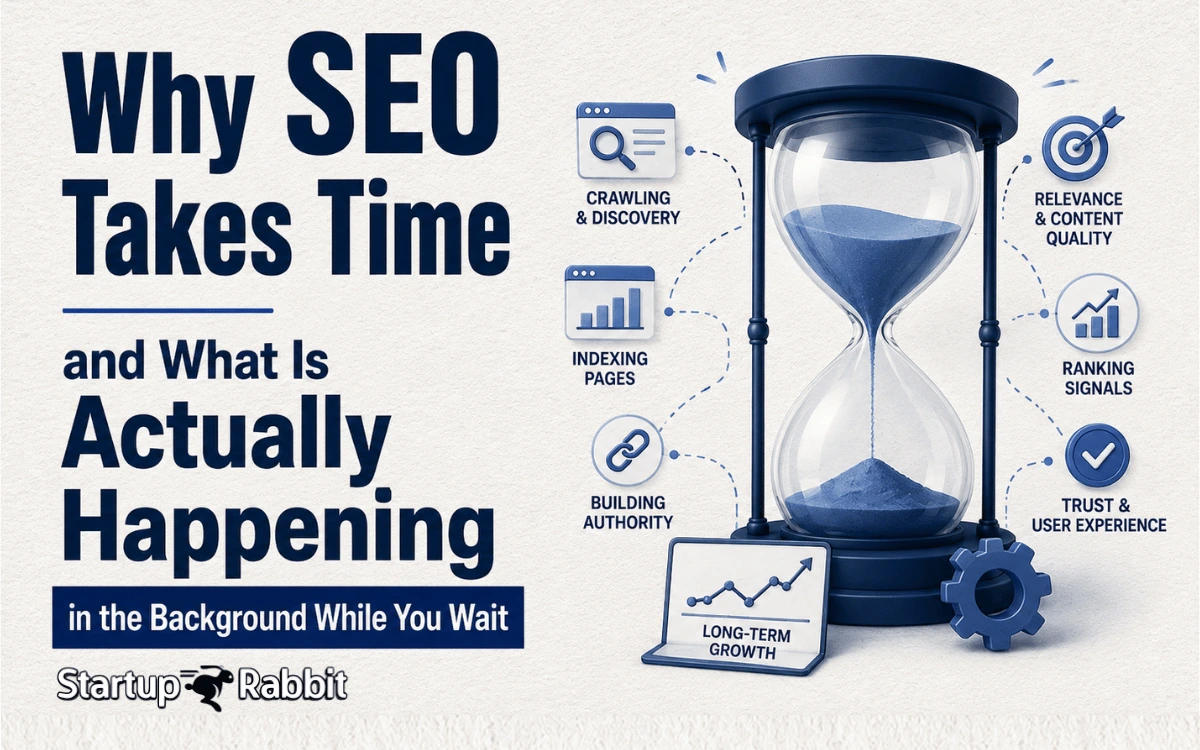
Every business owner asks some version of the same question within weeks of starting SEO:
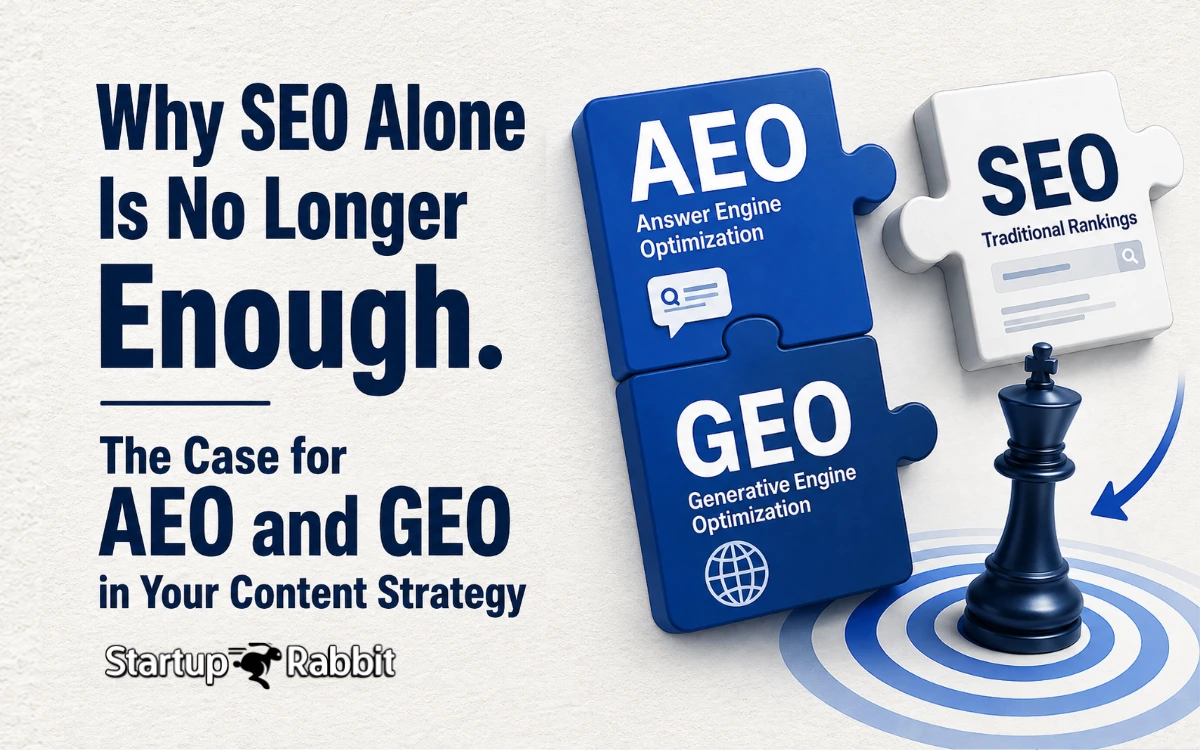
Search has evolved from blue links to a rich mix of answers, conversations, and AI-generat
As AI assistants and generative models are able to read and summarize content and then rep