PPC advertising is a quick way to reach people who are looking for a solution, and get them to visit your website and make a purchase, without having to wait too long. But many businesses face issues with ineffective ad strategies and end up wasting their budget. But there are so many businesses that face the problem of making bad advertising strategies that result in the wastage of money. Understanding these PPC marketing examples is essential for grasping effective strategies and utilizing them. Businesses of all shapes and sizes. Small B2B can apply the fundamentals of PPC, such as choosing great keywords, crafting persuasive ad copy, and landing page optimization. With PPC moving towards automation and creativity, what advertisers need to do is combine data with human understanding. Avoiding the most common mistakes can help gain valuable insights. It also boost CTR conversions as well, it is more effective with advertising strategies based on a similar successful campaign.
What Is PPC Marketing?
PPC marketing term refers to pay per click marketing, a sort of internet marketing in which advertisers are compensated depending on how many times their ads are clicked. It is a way to purchase visits to your website as opposed to garnering them naturally. The aim here is to drive, you’re creating traffic to the site now and you’re getting conversions as a result.
PPC Advertising Explained
In simple terms, PPC works like an auction. You select your keywords or audience, craft your ads and set your budget. Your ad can show if users enter those keywords or similar terms and when they match your targeting parameters. The best PPC marketing samples have a clear search intent, use well-targeted ads and landing pages, and are therefore more likely to drive clicks and conversions.
Why PPC Marketing Is Important for Businesses
Businesses can reap instant rewards from PPC campaigns, gain new marketing insights, and focus on optimizing strategies as they arise. This way, there is a better way of distributing marketing funds and constant improvement of marketing campaigns, which get optimized for the best return on investment.
Key Elements of a Successful PPC Campaign
A successful PPC campaign is a chance that needs to be planned and executed. This includes comprehensive:
- Keyword research
- Competitive analysis
- Engaging ad copy
- Strategic bidding
- Constant performance analysis
Why Learning from PPC Marketing Examples Matters
PPC marketing is a powerful strategy used by companies looking to quickly grow and strategically target. A cost-efficient model in which every penny invested will be for a click on your ad. Discover how much to pay for PPC.
Understanding What Works in Real Campaigns
Successful real campaigns focus on having a solid business goal, audience-first narratives as opposed to brand-centered messages, and tracking with the help of data. Successful strategies go beyond vanity clicks, targeting such metrics as conversion rate and customer journey orchestration.
Improving ROI Through Proven Strategies
ROI is better when you adopt methods that have been effective in a different situation. That comprises
- Segmentation
- Retargeting
- Bid control
- Message testing
Best PPC Marketing Examples Across Industries
1. Shoes Industry: Snickers
Problem:
Due to the crowded ad area, Snickers wanted to make a PPC campaign that would help increase brand recall and engagement.
Solution:
The brand wittily associated itself with common misspelled search terms and used these regular typos for humorous ad material that had users rolling their eyes. This strategy allowed for a meaningful connection to the campaign “You’re not yourself when you’re hungry,” thereby making the ad irresistible and relatable.
Results:
The plan resulted in greater participation in ads and much better recollection of the brand, which attests to the effectiveness of relying on humor and human cognition to boost the use of PPC campaigns.
2. Skincare: Lumin Skincare
Problem:
Through their marketing efforts, Lumin Skincare had to focus on and convert a specific segment this time, in this case, the men who made it a point to get skincare services.
Solution:
They leveraged a particular PPC campaign, including some eye-catching and product-specific creatives, as well as targeting keywords. They also leveraged targeted keyword terms. These ads promoted top product features, including:
- Brightening
- Hhydration
- Oil control
This led to optimized landing pages with easy buying.
Results:
This enabled them to divert the minimum expense for customers’ acquisition and convert more and more relevant clicks into regular buys. The campaign successfully highlighted the potential of targeted messaging and targeting to drive sales.
Google Ads Examples That Drive Conversions
Search Ads with High Click-Through Rates
Search ads are very effective since they reach out to the customers who are actively searching for products or services. while maximizing their targeting will ensure that businesses will generate good leads. Furthermore, it increase click through effective use of keywords, compelling headlines and calls-to-action. These paid search ad examples allow many brands to be placed at the top of the search results and secure high-intent audiences willing to convert. Thrive highlights that search advertising works best for businesses aiming to attract new customers and boost conversions quickly.
Display Advertising Examples That Capture Attention
Display ads use both visuals and text in engaging creatives to create brand awareness, both on websites and apps. Business organizations employ banner ads, animated advertisements, and video ads to attract users and make them interact. These campaigns are optimal to maximize the awareness, particularly for brands with longer sales periods or niche audiences. A good display ad is based on the captivating images and identifying the audience to create interest and generate traffic.
Remarketing Ads That Convert Visitors
Remarketing ads re-engage those users who have already visited a site and failed to convert. These advertisements can be found on the websites, social media, and the display network of Google as a reminder of a product or service that a user has visited previously. Dynamic remarketing is an approach mostly employed by businesses to enable personalization of advertisements and enhance their conversion rates. Thrive adds that remarketing campaigns make brands remain visible to the interested parties and entice them to go back and finalize a purchase.
PPC Ad Examples: What Makes Them Effective?
Compelling Ad Copy and Headlines
Successful PPC advertisements have headlines that are concise, catchy and contain pertinent keywords that correspond to the search behavior of users. Powerful ad copy identifies many advantages, addresses problems of customers. It also engages the audience directly with simple and compelling words. Running variants of ads also assists in establishing which messages would lead to the best amount of gauge towards clicking and making purchases.
Strong Call-to-Action (CTA)
An effective CTA will prompt the users to act. Titles such as Download Now, get a Free Quote, or subscribe Today, add a sense of urgency and enhance interest. Efficient PPC advertisements are prepared in straight forward and more purpose-driven terms that encourage users to like and engage the business immediately.
Relevant Landing Pages and User Experience
Effective PPC advertisements lead viewers to the relevant landing-pages related to the ad message and keywords. Having a relevant landing page with the right information, that loads quickly and offers easy navigation, enhances user experience. Therefore, it increases the chances of conversion. Stability of the ads with landing pages also enhances trust in the visitor.
Smart Keyword Targeting
Niche keyword targeting enhances relevance in adverts and has the ability to bring in the correct candidates. Customer-oriented search and certain phrases and intent-related keywords will help a business to access quality users. Carefully selected keywords reduce wasted clicks and enhance the return on investment in PPC campaigns.
PPC Strategy Examples for Better Results
- Organize keywords and campaigns: Segment keywords and create campaigns based on intent to buy – greater budget efficiency and better organization of keywords and campaigns.
- React quickly with negative keywords: Avoid being wasting money on clicks that will never convert by filtering low-intent and irrelevant search terms.
- Engage in meaningful metrics: Pay attention to conversion rates, general advertising costs of sale, and the attributes of campaign revenue. It will help you to know what is working, and more than just getting visibility.
Best PPC Ads for Conversions: Key Takeaways from Examples
| PPC Strategy | Explanation |
| Using Emotional Triggers in Ads | Ads perform better when they connect with human needs or aspirations such as saving money, reducing stress, or achieving faster results. Many successful PPC marketing examples use emotional appeal naturally without sounding overly dramatic. |
| Leveraging Urgency and Scarcity | Limited-time offers and low-stock messages can increase conversions when used honestly and strategically. Genuine urgency works best when paired with valuable offers and the right audience. |
| Personalization in PPC Campaigns | Relevant and personalized messaging improves engagement. This includes location-based ad copy, audience-specific offers, and behavior-based remarketing. In 2026, personalization depends heavily on first-party data and improved audience signals. |
Common Mistakes Seen in PPC Campaign Examples
| Common PPC Mistakes | How to Avoid Them |
| 1. Overlooking Keyword Research | Use tools like Google Keyword Planner, SEMrush, or Ahrefs to find high-intent keywords with good search volume and manage competition. Combine specific buying-intent keywords with broader relevant terms. Understand how your audience searches by checking customer feedback, reviews, and forums. Regularly update your keyword list based on trends and changing user behavior. |
| 2. Setting and Forgetting Campaigns | Monitor campaigns weekly by reviewing clicks, impressions, CPC, and conversion rates. Perform A/B testing on ad copy and visuals to identify top-performing ads. Stay updated on competitor strategies and shifting search trends. Maintain campaigns consistently instead of leaving them unmanaged for long periods. |
| 3. Weak Ad Copy | Write clear, concise, and engaging ad copy focused on customer benefits rather than technical features. Use compelling headlines and direct language that quickly grabs attention. Include strong calls-to-action such as “Get Your Free Quote” or “Shop Now” to encourage clicks and conversions. |
| 4. Targeting the Wrong Audience | Define your target audience using demographics such as age, gender, and location, along with interests and behavior. Use audience targeting tools available on platforms like Google Ads and Facebook Ads. Implement remarketing campaigns to reconnect with previous website visitors. Regularly review targeting settings as customer behavior changes. |
| 5. Ignoring Negative Keywords | Create a strong negative keyword list to prevent ads from appearing in irrelevant searches. Exclude terms like “free,” “cheap,” or “discount” if they do not match your offerings. Review search term reports frequently and add new irrelevant keywords to improve ad relevance and reduce wasted spend. |
How to Create Your Own High-Performing PPC Campaign
Step 1: The company must know why they are selecting the PPC strategy. It can be their marketing objectives, including generating leads, traffic to the web, or selling products. Your PPC objectives must match with overall goals of your company in order to appropriately measure effectiveness.
Step 2: Do some research on your target audience to know more about their search intent. To capture qualified buyers develop targeted ads according to demographics, interests, online activities. Also include purchasing stages.
Step 3: In-depth keyword research (also with long-tail keywords) to further target and minimize the competition. Include keywords to eliminate irrelevant keywords that may result in the wastage of ad spend.
Step 4: Compel your ad copy to be engaging including eye-catching headlines, benefits and definite “Call to Actions.” Test lots of different ads regularly for increased CTR and conversions.
Step 5: Optimize Your Landing Pages for Speed, Responsive Design and conversions. It’s a good practice to get a site to deliver the content matching the ad message. It improves the user’s experience greatly.
Step 6: Monitor the success of the campaign on an ongoing basis (CTR, conversions, CPC, and ROI). Has the ability to fine tune the bidding, schedule and target frequently to optimize campaign results and efficiency.
Role of Digital Marketing Agencies in PPC Campaign Success
Benefits of Hiring a PPC or SEO agency in Navi Mumbai
Targeting the right audience
By hiring a professional digital marketing agency in Vashi, a business can make use of specific keywords and other optimization techniques to attract the right traffic faster. Also, create a marketing strategy that can drive traffic to the website and lead to better results. Advanced research and analytics tools are used to work with agencies to gain more visibility, boost website traffic, and build good leads with higher chances of turning into customers.
Budget friendly
The one big benefit of having an agency is the reduction of the overall advertising budget waste, and also the improved budget management. Experts are always on the job, analyzing campaigns, fine-tuning bidding strategies, and eliminating underperforming keywords. It washes away all the extra junk that isn’t getting them a bang for their budget.
Time Saving
Agencies also alleviate the strain of time on the business person regarding campaign management, ad testing, reporting, and further optimization. This means that business owners could concentrate on operations, customer service and development, while professionals take care of the performance of digital marketing.
Advanced Tools
An advanced benefit is getting access to advanced marketing tools, competitor understanding, clear reporting, and experts having expertise in evolving algorithms and market trends. This knowledge ensures that companies can boost brand visibility, enhance conversion rates, and develop a sustainable business progression. This helps businesses optimize their brand’s visibility and conversions. Thus, forming a business growth strategy sustainable for the future, for success.
Combining PPC with SEO for Maximum ROI
| Strategy | How PPC and SEO Work Together | Key Benefit |
| Shared Keyword Data Helps Both Campaigns | PPC keyword performance data can guide SEO content creation by identifying search terms that generate clicks and conversions. At the same time, SEO insights such as organic keywords and search queries can improve PPC targeting and reduce wasted ad spend. | Better keyword targeting, improved campaign efficiency, and higher ROI. |
| Brand Visibility in Both Paid and Organic SERPs | Appearing in both paid ads and organic search results increases brand credibility and visibility. Users are more likely to trust and click on brands that dominate multiple positions on the search engine results page. | Higher click-through rates (CTR), stronger brand trust, and improved visibility. |
| Remarketing to Organic Visitors | PPC remarketing campaigns can target users who originally visited through organic search but did not convert. These ads remind potential customers about the brand and encourage them to return. | Increased conversions and improved lead nurturing from SEO traffic. |
| A/B Testing With PPC Can Guide SEO Content | PPC campaigns provide fast feedback on headlines, CTAs, and offers. Businesses can use these insights to optimize SEO meta titles, descriptions, and landing page content. | More effective SEO content based on real user engagement data. |
| Competitive Insights and Gap-Filling | PPC helps businesses maintain visibility for highly competitive keywords that may be difficult to rank for organically. It also uncovers new keyword opportunities and content gaps for SEO strategies. | Stronger market presence, better competitor analysis, and broader search coverage. |
PPC Trends and Innovations in 2026
Businesses have changed their advertising styles in today’s age, and there are several techniques employed to help improve the performance of their ad campaigns:
- Smart bidding
- Predictive targeting
- Optimization for voice search
- Dynamic creative ads
That’s where platforms like Google Ads have turned to automation, including the new tool for their campaign, Google Performance Max. These platforms promise to help them get more conversions with less effort. Meanwhile, brands are looking towards first-party data, omnichannel marketing. Whereas, genuine ad experiences are the key means of ensuring consumers continue to have a positive experience in this privacy-driven digital environment.
Key Takeaways: PPC Marketing Examples That Work
Best ppc marketing examples are clear, specific and user intent-focused. They use high-quality copy, relevant landing pages and savvy retargeting. They are constantly testing and evolving to fit the trends, especially on automation, acquiring first party data and quality of creativity.
Conclusion
The key to PPC success is to consider it as a system, rather than a standalone approach. Effective campaigns combine the elements: keyword intent, ad copy, landing page experience, and conversion tracking. Get in touch with Startup Rabbit, the best digital marketing agency in Navi Mumbai, and enjoy a successful conversion of clicks into results for your website. In 2026, the right merger of automation and human insight is the key to success. Those advertisers who have a focus on messaging, on understanding their audience, and testing constantly will benefit from their messaging outcomes. These effective PPC marketing examples can help your business invest more wisely in their campaigns. Therefore, making more conversions in different industries, such as e-commerce and B2B.
FAQs
In reality, PPC is a digital ad where the business pays for a click, otherwise known as leads. You aren’t getting organic traffic, you’re buying all that traffic.
Effective PPC (Pay-Per-Click) campaigns combine smart audience targeting, live statistics, and hook. The following is one great example of such in real life:
Burger King The Whopper Detour
Burger King was providing Whoppers at the price of $0.01, but this offer would only be unlocked on the condition. The condition was that the customer must reach a distance of 600 feet from a McDonald’s, and he or she was using the BK app.
To develop a PPC ad, pair high-intention keywords with super-relevant ad copy and send users to a specialized landing page.
Intention-based targeting and data optimization are best used together to make Pay-Per-Click (PPC) strategies most effective. The essential best practices involve:
Updating on the long-tail conversational keywords.
Proactive utilization of negative keywords could reduce wasted expenditures.
Active A/B testing of the creatives.
The development of hyper-relevant landing pages with salient CTAs.
The most suitable PPC platform for your business is based on your target audience and objectives. Google Ads, and Meta Ads are the best industry options that meet various advertising requirements.

Related items
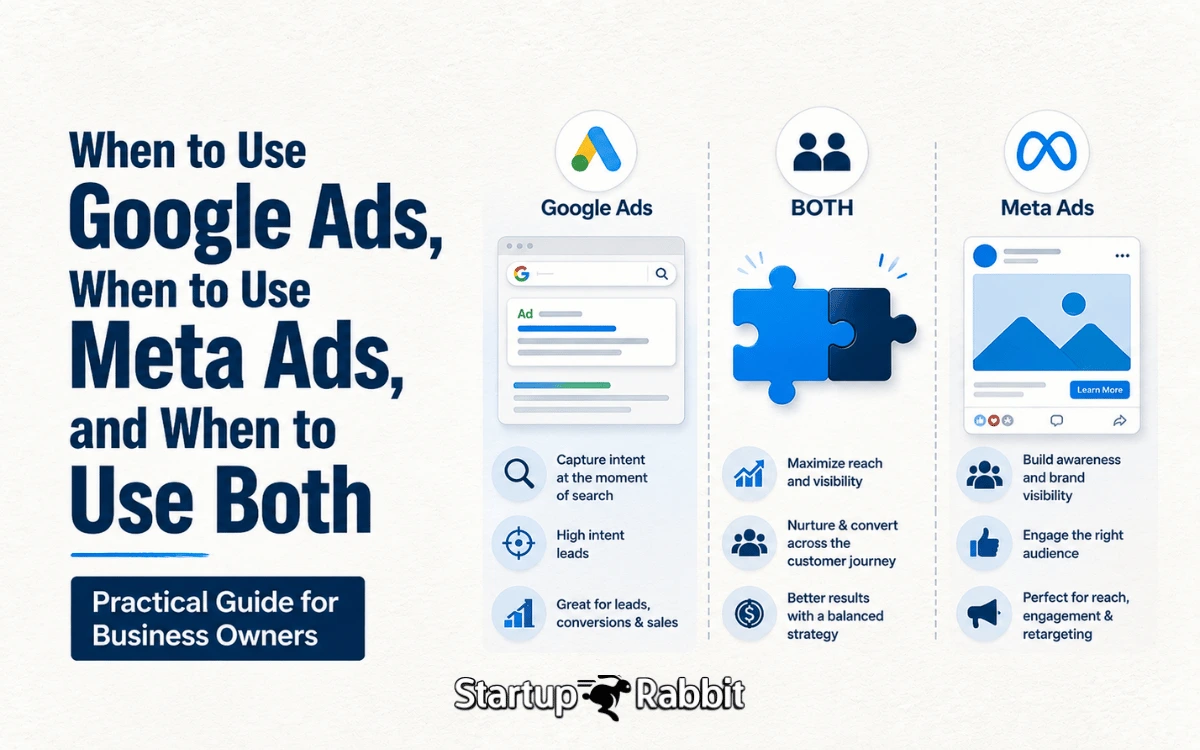
Almost every business owner eventually asks the same question: should our ad budget go to
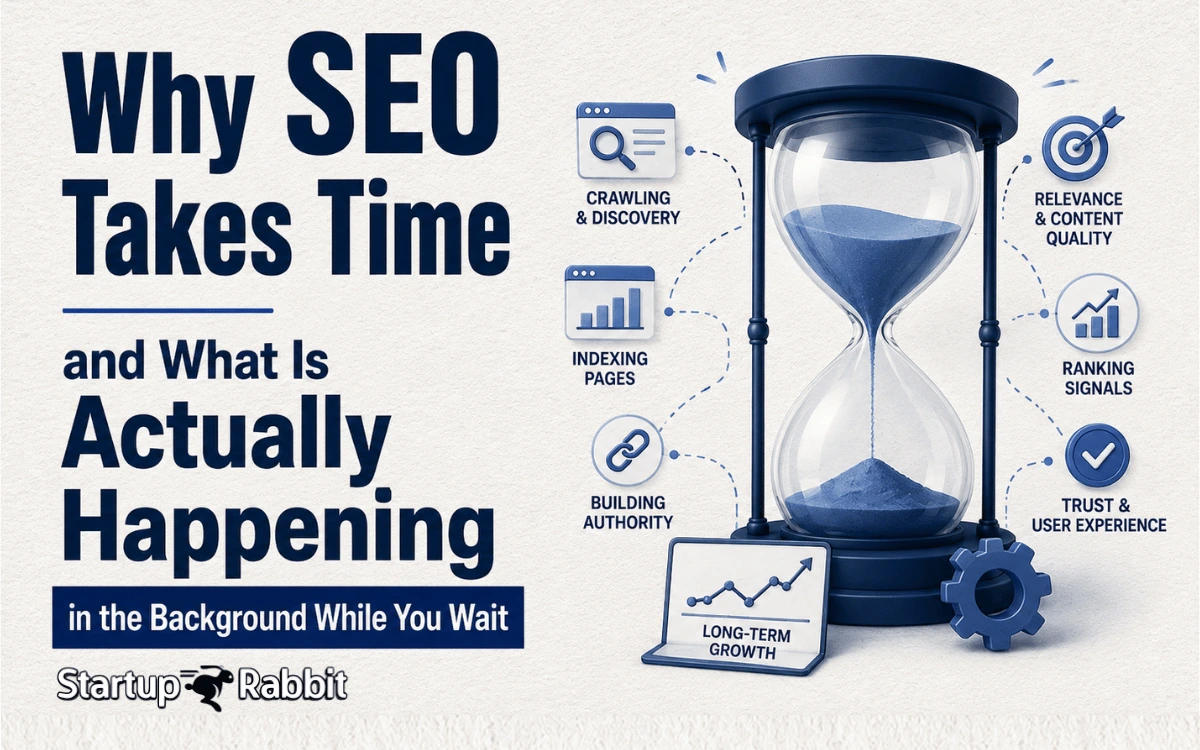
Every business owner asks some version of the same question within weeks of starting SEO:
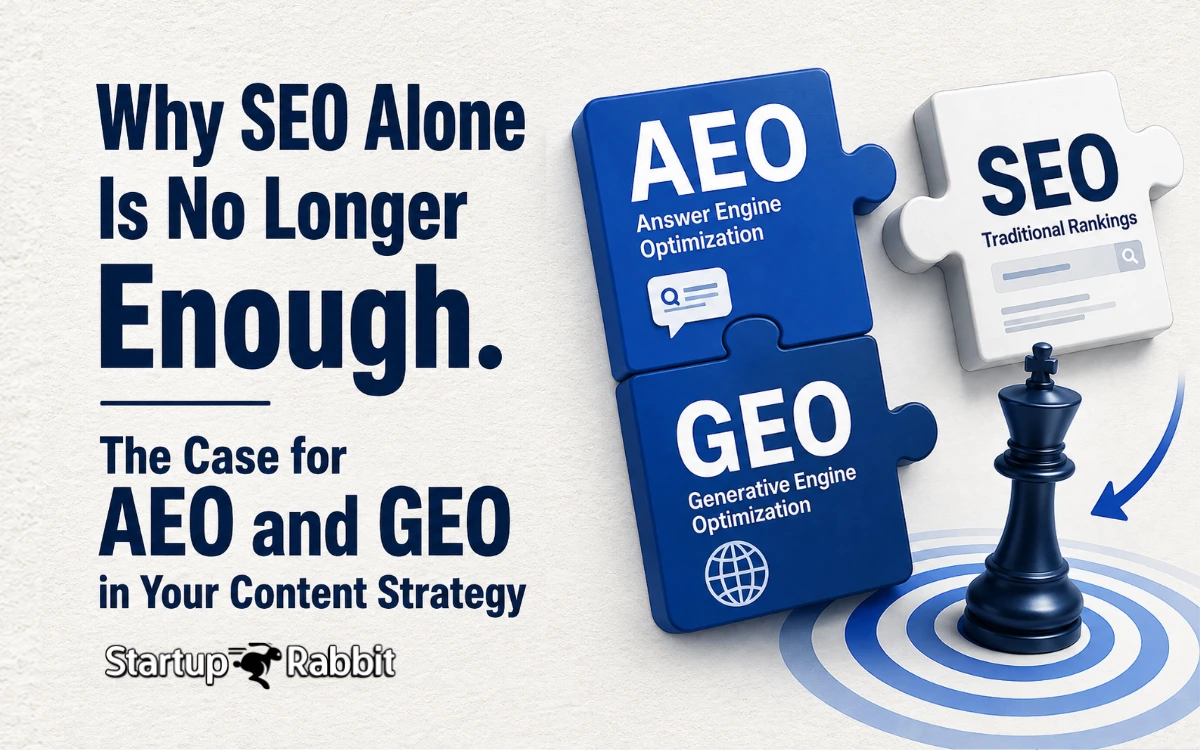
Search has evolved from blue links to a rich mix of answers, conversations, and AI-generat