In fact, one of the first and most extensive Google core update was in March 2026, which led to fluctuations in the website ranking in almost all industries. In this ranking update, Google emphasized content quality, signals of trustworthiness, and user satisfaction and experience. The recent update had affected YouTube, Reddit and several other leading publishers. They have gained or lost visibility. One important change highlighted in the latest update was the reduction in visibility for content aggregators and a boost for content from the original source. This helps in improving rankings for Google-owned brands and government sources, as the latest changes aim to harmonize content published by brand owned websites. This update helps them return to their previous ranks and avoid losing ranking positions. So, it can provide website owners, marketers and SEOs valuable insights into updates to the search engine ranks.
What Is a Google Core Update?
Google Core Update Explained in Simple Terms
A Google core update focuses on Google’s overall search ranking systems. Unlike an update that focuses on one particular page or technical factor, a core update affects how the Search team reviews a vast set of pages across a wide range of subjects. Since the Search team’s purpose is to deliver the best search results, pages can rank up, down or remain same after the publishing. There are thousands of smaller, more targeted updates that happen to Search each day. But the broader core updates are those that many people in the industry would see and that can influence your website’s:
- Ranking
- Impression count
- Clicks
- Featured snippet
- A mix of relevant pages on Google
Difference Between Core Updates and Minor Algorithm Updates
| Features | Core Updates | Minor Algorithm Updates |
| Scope & Intent | Broad re-evaluation of content quality and user intent across all industries. | Highly specific changes (e.g., product reviews, link spam, or page experience signals). |
| Frequency | Rolled out periodically, typically 3 to 4 times a year. | Happen frequently, sometimes daily or multiple times a day. |
| Impact | Wide-ranging impact; a core update might affect 5% to 10% of all searches. | More limited impact; may only affect 0.1% to 1% of queries. |
| Announcement | Always officially announced in advance with specific names. | Usually unannounced because they are standard daily improvements. |
| Recovery | Often requires comprehensive auditing of site quality, authority, and user experience. | Usually allows for direct, targeted fixes (e.g., removing thin content, optimizing images). |
Why Google Releases Core Updates
Google issues core updates to tune up its algorithms, so that the content provides relevant search results, based on today’s standards and useful for users. It updates these core algorithms a few times a year to keep up with changing content and to provide the highest quality “people-first” content.
Latest Google Core Update 2026: What Changed?
Key Changes Introduced in the 2026 Google Core Update
Another Google Core Update is coming after the announcement at Google I/O 2026 regarding Google I/O 2026 AI in Google search. There will be a huge shift, where Google search starts to actively incorporate more AI to help us search for things in a more contextualized, conversational, and personalized way. This fits Google’s currently existing functionalities. While many SEO experts closely monitor search quality systems and official statements, the search landscape shows that these changes occur all the time.
Industries and Websites Most Affected
1. Affiliate and Niche Blogs (General Info): It took hit on basic generic information sites with little in the way of a personal story, expert credentials, or actual exploration into a subject. Since Google AI will fulfill the intent directly rather than direct a person to a generic blog post.
2. Local Aggregators and Directories: Local aggregator review scraper bulk listing sites; these will only fall in popularity in search. The intent of a customer when searching locally will seek a local business and cross-verify local review signals before choosing them.
3. Low Effort E-commerce: It brought down online stores and e-commerce sites with duplicated manufacturer, product descriptions, and specifications, and reviews.
4. Mass Generated Content Farms/Fake Local Sites: Sites that generate many AI-created articles or copy-paste-plop local city pages have taken the worst beating from both the spam filter and algorithmic demotions.
Impact on Content, SEO, and Rankings
While there’s no official statement of a ranking update from Google, it appears early indicators show relevance, quality, topicality and semantic connections is becoming increasingly important.
How Google Core Updates Affect Search Rankings
Understanding Google Ranking Fluctuations
Google offers content guidance regularly concerning the quality of the search engine and best practices to help with long-term publisher success optimization.
While we are at the very early stages the initial signs among the SEO industry appear to suggest they’re shifting towards:
- E-E-A-T signals,
- Quality user experience,
- Topical authority & content ecosystems
- Semantic relevance & entity relations
- Search intent alignment
Many SEO experts increasingly view the web in a much more connected way. They are expecting Google to read their sites as an interconnected series of data points. Instead of disparate, standalone sites.
With these new Google algorithm updates it’s becoming harder to pump out plenty of disparate content and hoping to get it ranked. The search engines are seeking proof of a niche.
Why Some Websites Gain Traffic While Others Lose
A core update likely means you should re-examine your website’s quality and relevance, not that your search engines are penalized. It is common to experience a lot of anxiety following an SEO rank drop. But the fact remains, your decrease in visibility may not indicate an error on your part. As Google often suggests to publishers, avoid panicking when updates are ongoing.
Role of EEAT and Helpful Content
A majority of movements will only temporary. There are frequently major shifts during a rollout process that don’t necessarily signal the eventual outcome. The guidelines Google’s E-E-A-T criteria and Helpfull Content are likely to become the new standards for Quality Raters reviewing website pages. These replace ranking manipulation strategies with “authors who create person-first content.
Google Search Ranking Update: Key Ranking Factors in 2026
1. Content Experience (CX): In 2026, Google wants quality, user experience, conciseness, and experience. That means your content must completely answer the search query and not be thin and generic.
2. Search Intent Alignment: Google’s search intent evaluation is getting more granular and will consider the intent of a query and whether the content meets that intent or not. So although you will write and insert the keyword into the content. If you are not delivering what the user is searching for, this will result in a low position.
3. Strict E-E-A-T Standards: Expertise, Experience, Authoritativeness, and Trustworthiness will be extremely important in 2026. Google will look for clear identified author, reliable information and well established trustworthy and knowledgeable brands.
4. Page Experience and Core Web Vitals: It isn’t just about how fast your page loads, it’s also about the quality and usability. Google accesses navigation, legibility, responsiveness and functionality across all devices.
5. Backlink Quality Not Quantity: Google is going to devalue links for quantity sake. Google will want to determine how trustworthy your website is through your backlinks.
6. Topical Authority: Websites with deep topical expertise on certain topics tend to perform better than websites that have shallow topics and have not proven they know their chosen topics well.
7. Optimize entity search: Google offers to advertise your brand.
He uses well-defined entities (entities) on which we build the entire concept and the so-called “knowledge graphs”. The entity in each place should describe exactly.
8. Forced entity SEO for SGE, and AI-based results: AI requires a tangible solution and an elaboration on the methodology used. This includes a concise explanation. In this, AI generates result AI will use information to building articles.
9. Refreshness and updating of the article: The more fresh an article the more the interest for him (which is again an engagement signal). But there should be real changes, so superficial changes.
10. User signals (Engagement signals): When the user clicks on your result in the SERP (search engine results page), and then comes back quickly to the search result page, this means that your content wasn’t relevant to him. Google likes when the user stays on the website for a long time.
SEO After Google Core Update: What Website Owners Should Do
SEO experts are better off developing their content ecosystem today instead of gambling on when the algorithms change. Answer engine, AI answer, entities are other elements contributing to visibility. So what exactly is SEO Today?
- Knowing User Intent
- Building Topical Authority
- Boosting Internal Linking
- Enchancing E-E-A-T signals
- Creating Genuine Value Premium Content
Ultimately, SEO is about having the best answer, not just being number one.
Google Update Recovery Tips for Lost Rankings
Core update recovery involves becoming more and less, rather than doing quick fixes. Websites have to update title tags and content pages or redesign them. Often this doesn’t work well. Instead wait for the rollout to complete, then make significant changes based on:
- Which pages changed, which patterns occurred
- Has search intent changed
- Have competitors improved?
- Website recovery approaches often require expanding the breadth of the topic.
- Increasing utility by providing a better user experience.
The quality improvement always wins over the quick fixes.
Impact of Google Core Updates on Different Industries

Common SEO Mistakes That Hurt Rankings After Core Updates
1. Keyword Stuffing
Mistake: You put the keywords more than necessary to try and achieve high positions.
To avoid this: Include primary keywords more than once, but naturaly, in a frequency of 1 or 2 per every 100 words. Make use of related keywords too.
2. Uninformed to the search intention
Mistake: You are creating content which it doesn’t suit the needs of users searching on the internet.
To avoid this: Analyze content in first positions of the search results, and adapt your content’s format according to the search intention (navigational, informational, transactional) .
3. No On-Page Optimization
Mistake: Omitting the H1 tags, or writing a very weak Meta Description, or poor structuring with the Htags (H2, H3 etc)
To avoid this: Use a structure H1>H2>H3, optimize tags, as the description, etc.
4. Content thin and of poor quality
Mistake: You have created content which the number of words is less than 300 or 500. Or the article has no information to provide.
To avoid this: Create content in-depth, with useful and quality information. Using of visuals is always good too.
5. Slow Speed Page
Mistake: High Bounce Rate due to long waiting time to load the page.
To avoid this: Reduce image file size. Ensure that you cache pages. Move your site to a service that gives very fast service.
6. Lack of mobile optimization
Mistake: You aren’t optimizing the page for mobile devices
To avoid this: Have a page with responsive design and touch interface, optimized for fast loading on mobile devices.
7. Lack of technical Optimization
Mistake: Ignoring any broken link or missing Sitemap of your website.
To avoid this: Have a technical analysis every month and uses tools like the Google’s Search Console.
8. Lack of internal linking
Mistake: You don’t spread power on your internal links.
To avoid this: Use anchor text without fail and use internal linking to your cornerstone content pages.
9. Spammy backlinks
Mistake: You build a number of poor-quality or irrelevant backlinks.
To avoid this: Use content such as blog posting to build high-quality back links.
How to Prepare for Future Google Core Updates
1. Don’t prepare for the next core update – just prepare. If you’re focused on creating great pages with real user value then you don’t have to worry about a core update and whether you were prepared for it.
2. Set up your baseline of important pages. The easiest way to know if a core update was a hit or a miss for you is to track important pages for top queries, impressions, clicks, conversions, and business value.
3. Improve the trustworthiness of your pages. Make more of your author info easily visible, add citations and unique studies and more real-world examples. Also, update your current cases and graphics. Lastly, utilize some heavy-duty internal linking while trimming the fat.
4. Optimize the technical elements for search. This includes things like Core Web Vitals, mobile display, canonical tags, redirects, the sitemap, schema, and crawl coverage.
5. We here at Startup Rabbit perform our SEO services with search data, technical data, content quality, and internal linking – coupled with a performance measurement component – so you’re in the best possible position when and if a core update occurs.
6. Simply maintain a list of changes made to all important pages including the date of the change, target queries and measurement metrics.
7. Assess any new piece of content on the level of the original value you’re bringing to the site. If it really helped a user decide one thing vs. The other (not just hit a keyword), you’re going to weather any changes.
Google Ranking Fluctuations: When Should You Worry?
The reasons for ranking changes include:
1. Organic Competition comes and goes in your SERP.
2. “Buzz” trends can change how your user will behave.
3. Specific Seasonality-focused interests (i.e., Tax season, Black Friday, Holidays).
4. Organic Search Penalty/Google Manual Review.
5. Security hacks/Black Hat SEO Negative Attacks.
6. Internal site structure updates.
7. A Bad Link audit performed.
8. Google Ads turning on/off can indirectly affect Organic Rankings.
Expert SEO Strategies for Surviving Google Core Updates
1. Content Remains King: When Google wants the user experience to be best in terms of useful, relevant and informative content Google wants the “real experiences and problem solving insights.” So, be sure you’re creating that.
2. Leverage E-E-A-T Optimization: Google wants content that demonstrates Expertise, Experience, Authority and Trust. Include author bios and customer reviews: Allowing content authors to improve the user experience by 25% will also have an positive effect in boosting the E-E-A-T signal.
3. Search Intent is Crucial: “To rank a page, marketers must understand user intent such as: are they looking for information? Are they commercial or transactional intent?
4. Use Topic clusters and Topic authority: Google is awarding website authority with topics that come into each other through topic links.
The idea is to create topical clusters of relevant content, resulting in a 40+ per cent uplift in your organic performance.
5. Local SEO will be the key to lead generating: Search in local SEO searches is currently escalating and has a significant beneficial effect on business and sales (including leads increase of 80 percent on searches made in the last 24 hours). Companies can optimize the Local Business profile of Google and create more local references.
6. Technical SEO Is Absolutely Essential: In order to achieve higher rankings for its website, designers or company owners have to have to make sure their websites are highly technically Optimized. A fast loading, Mobile-First Website will surely be beneficial. Websites which may take up to 2 seconds to load could possess lower bounce rates, for instance.
7. AI-Powered SEO Works: Google supports but does not recommend inferior content. Those who properly use AI utilize it in conjunction with their creativity.
8. Optimize for AI Search: Google’s search is going to get smarter; the creators should optimize their content, not just the text of a write-up. The writers have to write clear and concise titles and frequently asked questions.
9. Long Tail Keywords Have Power: Voice search is an undeniable aspect of the future and to truly thrive with the forthcoming search queries. Content writers also must naturally include long tail, conversational keyword searches in the written articles.
10. High-Quality Backlinks: They are still The best (Not just Quantity). If you want higher search engine positions, you have to put in a considerable quantity of time. Creating quality backlinks help websites achieve higher search engine positions. Guest blogging or specific niches for backlinks is an effective strategy.
11. UX and Engagement signals: The user engagement aspect is always going to be a top ranking indicator. Designers could lower down or increase the design elements that may potentially be increasing or reducing your rate of engagement. This may be 20-25% improvements to site rankings.
12. Video and Visual Search is Exploding: As visual and video searches increase, website designers have to focus on the optimization of their visually striking content, even including relevant videos in their blog posts. The optimization of images can aid in google lens.
Conclusion
The 2026 Google core update changes the game – it favors first party resources, expertise from credible authors, topic relevance – not content farms, and less use of AI-generated content. Businesses that have seen a negative effect on traffic levels have to try harder. Create more high-quality, original, in-depth, authoritative articles and focus on improving on-site technical aspects. Less quality for less quantity is now favored (fifty in-depth articles vs. a hundred fluffy ones). We have to verify the authorship of the content now, to rank. Google is shifting away from aggregators. Now, take the next step and focus on lasting solutions.
FAQs
Based on the 2026 search updates, Google highlights human approved AI content, topical authority, and search experience signals.
If you have hit by a Google Core Update, the change in strategy is to move away from trying to game the algorithm to providing value to search users.
The rankings tend to fall due to a Google Update, as the algorithm resets to give better preference to articles containing higher E-E-A-T (Experience, Expertise, Authority, Trustworthiness). It satisfies intent in an enhanced way or demoted content using tricky techniques like keyword-stuffed text or artificially generated links.
Typically, Google will publish large core algorithm updates every three to four months, but not on any regular schedule.
After recent updates to algorithms and interfaces, Google is now in the business of fast, accessible tech and ultra authoritative, user-friendly content, not simply targeting keywords.


Related items
Advertising today spans far more than a single print ad or a billboard — it’s a coordinate
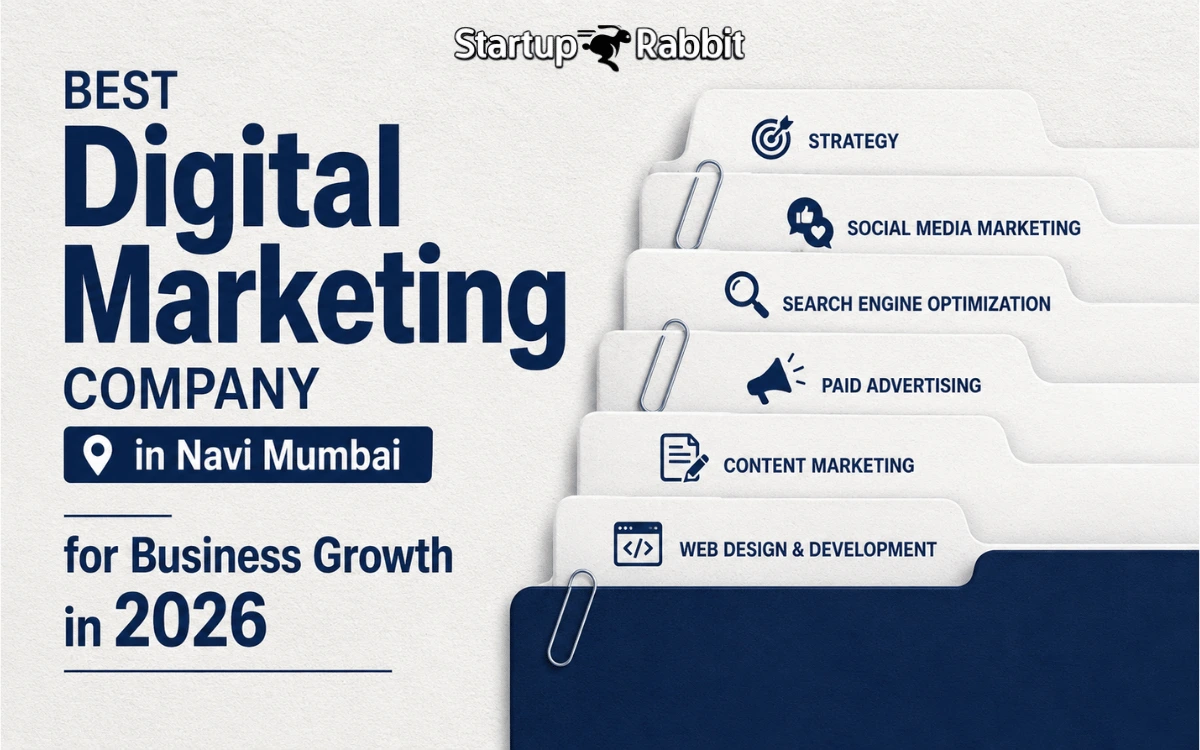
Navi Mumbai has changed a lot in the last few years – healthcare, real estate, manufacturi
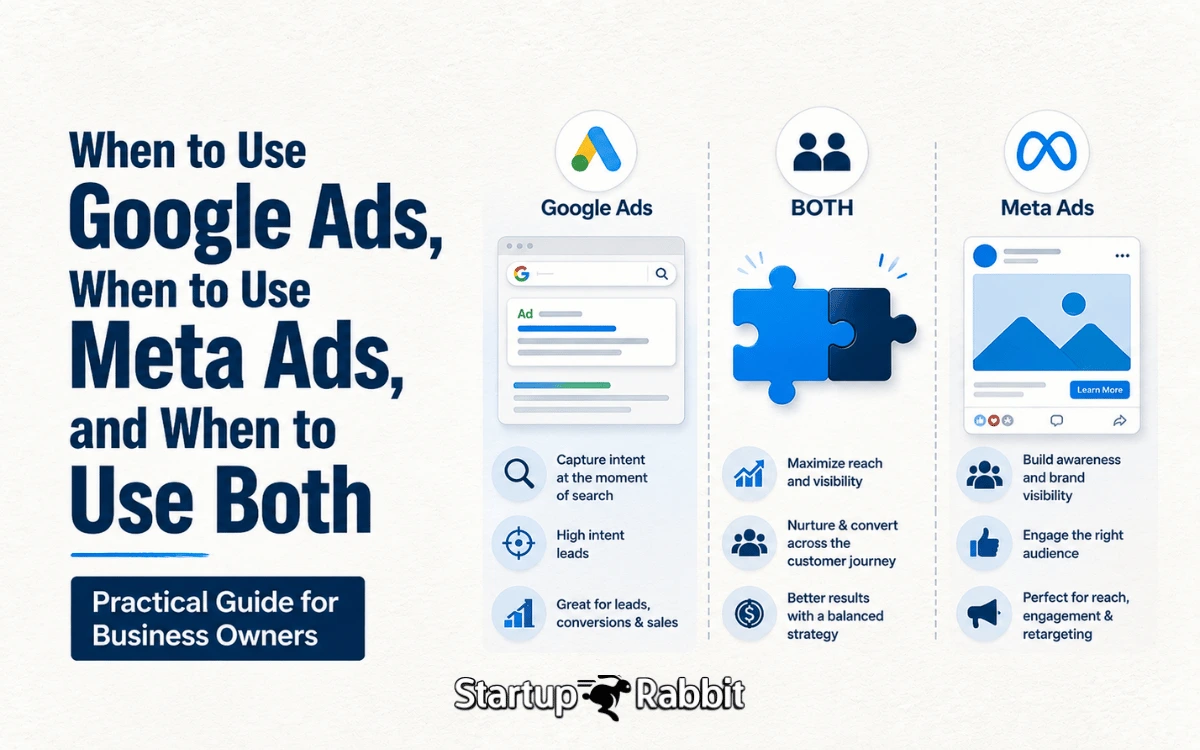
Almost every business owner eventually asks the same question: should our ad budget go to