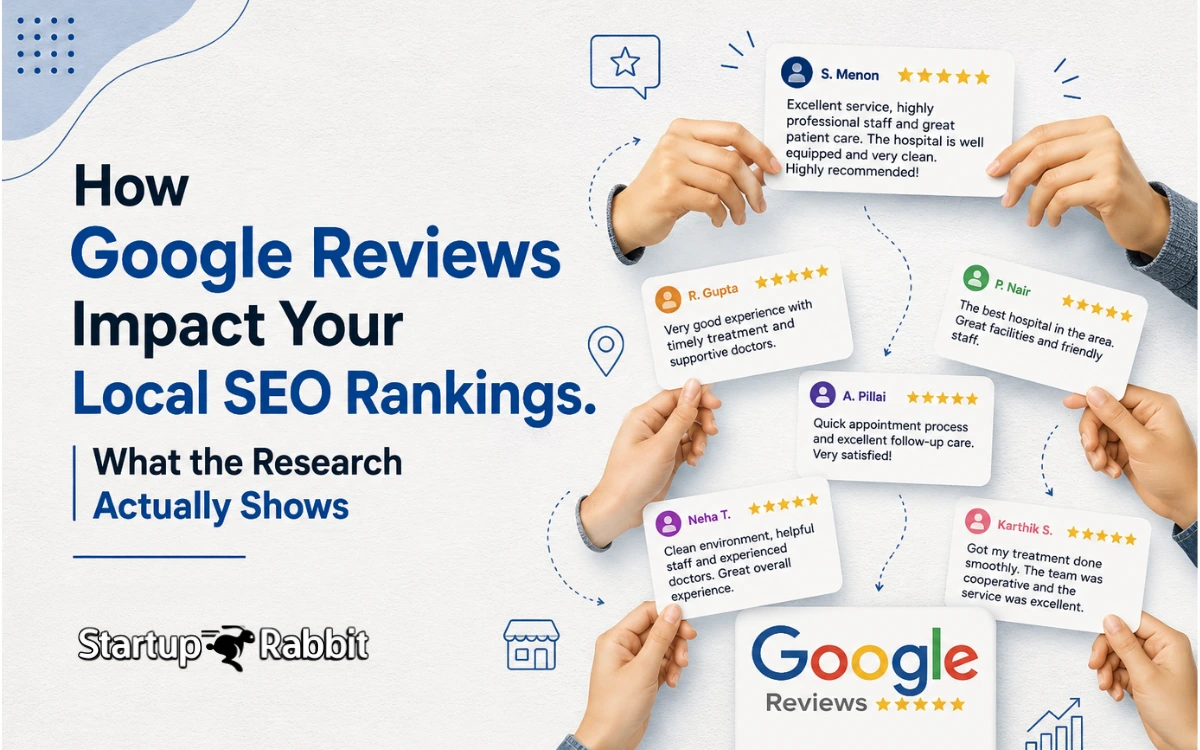
Local search is the primary way small to medium sized businesses can be discovered today. Whether people near you search for the “best bakery nearby” or an “office loan provider in Mumbai”, Google Reviews are a significant element for what will appear in the Local Pack on Google and Google Maps. Do Google Reviews Help SEO? In a way that it is possible to track-or are reviews just another factor that builds trust for my customer? In this post, we will pull out some studies that touch upon how Google Reviews influence your local SEO. We will also share with you a framework on how you can build Google Reviews for maximum visibility, clicks, and trust.
Do Google Reviews Help SEO? Understanding the Basics
How Google Reviews Fit Into Local Search
Reviews have a significant impact on local search optimization, specifically through Google My Business. Google actually says that the amount, speed and diversity of a review are critical factor in rankings for their local pack. Google My Business impacts more than just the star rating. Google’s algorithm uses the content, sentiment and product/service specific terms used within the review. With consistent multiple positive reviews, and you’ll see businesses rise in the rankings, particularly in local search. This brings a dramatic surge in recent years with the rise of “near me” search queries.
Direct vs Indirect SEO Benefits of Reviews
Direct Benefits to SEO
- Improved local pack results
- Increased organic click through rates
- Improved conversion rates
- Increased brand searches
Indirect Benefits to SEO
- Increased User Generated content (UGC)
- Natural variation of keywords appears
- Improved user signals
- Enhanced social proof for local search ranking
Why Reviews Matter More for Local Businesses
Local intent depends on trust and context. For brick-and-mortar services and neighborhood providers, reviews are one of the clearest expressions of customer experience—so they matter more here than for broad, informational searches.
What Google Says About Reviews and Rankings
Google states reviews help with user understanding and improve local results. But it doesn’t publish a strict weight for reviews in ranking formulas. That ambiguity leaves room for testing and interpretation. But combined evidence from Google guidance and SEO case studies indicates reviews are a meaningful signal.
How Google Reviews Influence Local Search Visibility
1. Impact of the number of ratings and reviews: Ratings and reviews have an effect on an businesses’organic ctr for their listings in the Google Local Pack and in Maps, which showcases the top 3 results for a given search query.
2. Use the Local Pack: In order for the company to obtain more visibility, boost foot-traffic to their physical location, and create brand trustworthiness in their market, the company needs to consider ranking in the Local Pack for the products or services it supplies.
3. Mobile-ready: For those people browsing via their cellular phone for local products and services, the Local Pack optimizes for mobile consumers. As it is the majority of search engines and provide location-specific with mobile-friendly search engine results.
4. How do the reviews affect the click through rate CTR: In terms of generating a business click-through by possible prospects and customers, ratings and the number of customer opinions can make all the difference.
5. Consumer trust reviews: About 95 percent of customers analyze opinions prior to buying, and 93 p.c say that opinions impact buying choices.
6. Provide search engines: Use keyword-rich articles as testimonials, since Google evaluates your opinion content to determine appropriate search engine positions.
Google Business Profile Reviews and Their Role in Local SEO
Two significant factors that influence local SEO according to Google reviews are the volume of them and the time they send. In local SEO, like in all areas of Google’s search business, content is still king and needs to be relevant and up-to-date. Fresh reviews signal to both Google and potential consumers that your business is active. It improves its presence locally online. The more your Google Business Profile is reviewed, the more it will boost your business’s authority and credibility. This is also essential in local SEO. The higher your ratings, the larger your consumer base. The more recent the reviews and the higher number of reviews you have, the greater your authority and reliability will be. They make you approachable for both consumers and search engines. But it’s important to consider the content of the reviews.
Review Quantity vs Quality SEO – Which Matters More?
| Metric | Review Quantity Focus | Review Quality Focus |
| Primary Benefit | Higher search visibility and local prominence | Stronger consumer trust and better conversions |
| Revenue Impact | Up to 54% increase in revenue | Up to 28% increase in revenue |
| SEO Impact | Boosts keyword visibility and acts as a ranking factor | Improves click-through rates and supports E-E-A-T signals |
| Risk Factor | Sudden surges may trigger spam filters | Low volume can undermine credibility |
| Consumer Perception | Suggests a broad, established customer base | Ratings between 4.2 and 4.9 feel more authentic |
| Trust Threshold | At least 10 reviews needed for legitimacy | A minimum average of 4.0 stars is expected |
Finding the Right Balance Between Volume and Value
It’s all about a balance between the number of and the quality of the reviews that you receive to be the very best. For the best ranking places, you need to ensure that you not only accumulate several new reviews monthly but also that those reviews are relevant. Usually the first 3 position has around 4.1 stars rating and still got new reviews each month. So know your place in the search and build your strategy on that.
Common Misconceptions About Review Counts
1. Myth: You can’t get online reviews
You can get online reviews, and many customers do. Roughly 86% of customers are willing to leave a review after a purchase. Businesses can be proactive and ask for reviews, especially if a customer’s problem was resolved. The only trick is to ask for the review only after the customer has been able to try and experience the product/service for a certain time.
2. Myth: Customers don’t read online reviews
Of almost 4.7 billion internet users, over 72% use online reviews when making a purchase. Online reviews play a significant role in the consumers purchasing journey and with that, comes an aspect called ‘review velocity’. It serves as an information source for the customer and adds value to your brand’s description. Also, it improves your website’s SEO and increases sales and conversions.
3. Myth: Only 5-star reviews count
Customers can see it as ‘fake’ if your business has only positive reviews. Hence, they become suspicious. Getting mixed reviews, on the other hand, gives your business feedback that can help improve. In fact, the latest findings showed that most companies accept reviews to engage their customers and build trust.
4. Myth: only angry people leave reviews
Only roughly 25% of reviews are negative. The majority of reviews, roughly 75% are positive. The reason many unsatisfied customers write online reviews is to express their complaints and seek compensation or assistance from the company. The fact is that happy customers also write reviews, which generally highlight the positive aspects.
5. Myth: Online reviews aren’t real
It’s true some businesses still purchase fake reviews for promotion, but it’s less common than it once was. The majority of the online reviews available on Google, Yelp and other sites are still very authentic. Research showed that approximately 90% of all online reviews were genuine and people could quickly discern which reviews weren’t real.
Star Rating Google Maps SEO – Does Rating Score Affect Rankings?
How Average Ratings Influence User Trust
Positive reviews have the greatest influence on consumer trust, greatly outpacing branded websites, social media and paid ads (74%). This is because the reviews are written by other customers, not by the businesses themselves. Interestingly, 42% of consumers consider online reviews as legitimate as a personal recommendation. Also, 91% of 18–34–year–olds do. Successful businesses use this trust to their advantage and actively solicit feedback and reviews and put them to good use as a goalkeeping tool.
Why Higher Ratings Often Improve Conversion Rates
Positive reviews lead to more consumer activity: reviews cause consumers to be more likely to. Take actions such as:
- Book an appointment
- Buy something
- Fill out a contact form
The Difference Between Rankings and Customer Decisions
In competitive Map Packs, star ratings can make a huge difference in terms of user trust and ranking potential. Those businesses that receive ratings within the 4.0 to 4.7 range are most likely to perform well. While a low rating may lead to lower click-through and engagement. Any businesses receiving ongoing great feedback are better than 100% satisfied customer reviews for Google. This means that other factors such as engagement and trust signals can make the difference and ensure that businesses outrank others, even if they are in similar proximity.
Review Keywords Local SEO – Do Keywords in Reviews Matter?
How Google Understands Review Content
NLP allots every content in the reviews that there is from Google. It knows which place (or person and thing, but I’m focused on a local sense) the review belongs to. Also, what categories and characteristics extracts from the review to provide a better context of the location.
Location and Service Keywords in Customer Reviews
City name similarities exist in customer reviews as do similarity in the type of keywords utilized. Just like city names, there are similarities in what is said in the reviews, regarding their relevance to local search engines such as Google. They will help increase local search rankings, drive traffic into Google Maps and Local Pack, and create a sense of trust among potential clients. This also works with highly intent driven keywords, to increase relevance. In short, it is essential to make the most of local reviews in order to enhance local business presence and presence in search results.
Natural Mentions vs Keyword Manipulation
| Feature | Natural Mentions | Keyword Manipulation (Stuffing) |
| Approach | Writes for human readers first, ensuring the text flows smoothly when read aloud. | Writes for algorithms, repeating the exact phrase repetitively in every section. |
| Vocabulary | Uses synonyms, semantic variations, and related concepts to cover a topic comprehensively. | Forces exact-match keywords even if the sentence structure becomes jumbled or unprofessional. |
| Keyword Density | Focuses on context and topic integrity rather than hitting a specific mathematical percentage. | Fixates on an unnatural keyword percentage, often placing keywords in lists or out of context. |
| User Experience | Provides valuable information, improves readability, and keeps users engaged (reducing bounce rates). | Causes a negative user experience because the content sounds spammy and unnatural. |
| Search Engine Result | Builds long-term rankings and safely aligns with modern NLP (Natural Language Processing) and semantic search updates. | Results in search penalties, demoting the page’s position or removing it from indices entirely. |
Strengthening Relevance Through Authentic Feedback
Authentic feedback has the capacity to reinforce the value of learning and development by making it more relevant to where it is applied in their work. It is more than generic praising and assigning marks based on facts, issues, and emotions that would be a consequence in their work.
Review Response SEO Impact – Should Businesses Reply to Reviews?
Benefits of Responding to Positive Reviews
It’s mandatory to reply to both positive and negative customer reviews.
For example, if some pieces of savings instruments want the positive feedback, it is appreciated and makes for a better relationship.
Handling Negative Reviews Professionally
When it comes to negative reviews, however, showing signs of you’re accountable and willing to improve can actually earn more trust than many times having a positive review.
How Responses Improve Customer Trust
Having a professional response will improve your reputation and by extension tell Google that your business is responsive. A lot of contractors additionally include all of these reactions in a regimen consumer review marketing strategy to boost their effect.
Does Review Management Influence Rankings?
Yes, it is true that responding to reviews can positively affect local SEO; it shows that there are “active” businesses, boosts the site with refreshing content, enhances relevant keywords, and elevates the reader’s opinion.
Review Velocity Local SEO – Why Consistency Matters
What Is Review Velocity?
Review velocity, in simple terms, refers to how many and how quickly reviews posts to a business’s review profile. That is, it’s how fast the reviews change over time. For instance, a gaming cafe with 100 reviews per month has greater engagement than one that gets 100 reviews a year. This ongoing activity in the eyes of Google tells them the business remains healthy, active and continues to be relevant to customers.This constant activity creates trust and relevance in the eyes of Google.
Why Consistent Reviews Look More Natural
Implement a customer journey with review requests as part of it to maintain review velocity and “relevancy”. Idiots like to give a handful of honest reviews, rather than hundreds. Remind customers to leave positive reviews after great interactions. Feature easy connections to make reviews simple, and teach employees to ask for reviews. Also, provide QR codes on their receipts, etc. Requests can be evenly scheduled with the help of automation tools. Make sure that customers feel valuable, not forced, to create their odds of leaving reviews.
Risks of Sudden Review Spikes
Review spam is a method done by the bad guys or spammers and entails posting fake, misleading or manipulative reviews on-line. This fake-review strategy will cause unhelpful effects to a firm’s online reputation by sharing bad reviews of fake clients masquerading as clients and employees. These moments can be both positive or negative but neither is providing any real customer experience.
Creating Sustainable Review Generation Processes

Negative Reviews SEO Impact – Can Bad Reviews Hurt Rankings?
Understanding the Difference Between Rankings and Reputation
| Feature | Rankings | Reputation |
| Definition | A specific position on a list based on calculated metrics or algorithms. | The overall public perception, esteem, and trust earned over time. |
| Basis | Quantitative data, specific rules, scores, and formulas. | Qualitative feelings, experiences, reviews, and word-of-mouth. |
| Timeframe | Short-term; a snapshot that can change quickly with algorithm or data updates. | Long-term; takes years to build and is deeply ingrained. |
| Control | Often externally dictated by third-party evaluators, search engines, or grading agencies. | Internally driven by your actions, customer service, and ethical behavior. |
| Measurability | High; easily tracked with exact numbers (e.g., #1 on Google, 95/100 score). | Low; measured indirectly through sentiment analysis, surveys, and brand loyalty. |
How Negative Reviews Affect User Behaviour
Negative reviews have a profound effect on your online interactions and Google’s perception, as well as your future business. The fewer clicks more bounce rates, less time spent, which leads to fewer star ratings. This means it will go under Google’s interpretation that it is not useful and relevant content. Plus, if you go down in engagement, especially in calls and messages, then you are also negatively impacting your ranking. In this way, reviewing along with optimization for keywords and backlinks is not enough to create a powerful online impact and improve search engine rankings.
When Negative Feedback Can Become an Opportunity
Negative reviews really take a hit on your online business interaction and Google’s idea. Low star ratings result in a lower number of clicks, higher bounce rates, and less dwell time. All of which are seen as a lack of relevance by Google. Further, lower engagement metrics like calls and conversations can have a further adverse impact on your ranking. This means review needs to be dealt with alongside keyword optimization and backlinks to ensure a powerful online existence and higher search ranking.
Best Practices for Reputation Recovery
1. Promote positive reviews
- Encourage happy customers to share their experience.
2. Follow up emails to include review links.
- Put QR codes or posters in your Shop.
- Automate reviewing with review-request tools.
3. Fix recurring issues
- If two or more reviews are discussing the same thing. When, for example, there are such reviews as “slow service,” “rude staff,” start thinking of this issue today.
- The improvements your perform in your operations keep you more at the helm of your own search engine optimization.
4. Mark counterfeit or false reviews
- When you read fake comment which are obvious fake. This is malicious so you can flag it through Google “Flag as inappropriate”.
- Use supporting evidence – if applicable.
Social Proof and Its Effect on Local Search Ranking
For search engine optimization, you use social proof in order to help prove to the general public that your business is valid. These include trust indicators, such as the website having testimonials, reviews, social media presence, and user-submitted content, etc. These factors directly impact customer decisions, your business’s authority, and in turn your search engine ranking.
- Social proof generates trustworthiness, relevance, and credibility.
- Customer reviews bring in fresh content.
- User-generated content indirectly improves rankings through user-sharing, backlinks etc.
How Social Proof Supports Local SEO Efforts
- Google uses reviews as a component of its local search ranking algorithm, offering companies with good rankings and lots of positive reviews an advantage.
- The content within a review is very likely to include keywords, thus naturally improving search relevance.
- Responding to reviews both positive and negative-builds the customer’s trust and prompts other customers to interact with reviews and provide their own feedback.
Google Reviews vs Other Local Ranking Factors
| Ranking Factor | Description & Key Signals | Estimated Impact | Effort Required |
| Google Reviews | Quantity, quality (star rating), recency, and keywords within the review text. | High | High/Ongoing (Requires proactive customer outreach) |
| Google Business Profile (GBP) | Primary category, proximity, keyword-optimized business titles, and profile completeness. | High | Medium (Initial setup and infrequent updates) |
| On-Page SEO & Content | Local keywords in title tags, schema markup, and localized landing pages. | Medium-High | High (Requires ongoing website optimization) |
| Link Signals | Inbound backlinks from locally relevant websites and directories. | Medium | High (Requires digital PR and outreach) |
| Citation & NAP Signals | Consistency of your Business’s Name, Address, and Phone number across directory platforms. | Low-Medium | Low (Handled once, updated as needed) |
| Behavioral Signals | Click-through rates, calls, and direction requests directly on your Google listing. | Medium (Influenced heavily by reviews and ranking) | Ongoing |
Why Reviews Are Only One Piece of Local SEO
Although customer reviews make up around 20% to 25% of your local search ranking, this can only be a piece of the complete local search strategy. The top three factors for the Google Local Search algorithm are relevancy, proximity, and prominence. Reviews are the second component: prominence. However, you must have good foundations in relevance and distance, or no matter what a company has done on its website and with regards to reviews it will struggle.
How to Get More Google Reviews Without Violating Guidelines

Review Schema Markup and Its SEO Benefits
What Is Review Schema Markup?
Website owner can integrate Review Schema Markup into your web page, which is a piece of structured data markup. It help search engines comprehend your web page content while giving the user an overview of what the review-related information is.
Review Schema Markup SEO Benefits
1. Schema Markup optimizes content for better meaning and interpretation for machines (such as Google search engines). ML helps machine to match your content with the intent and relevance to user’s search.
2. Using connected schema markup for the schema app creates a reusable Content Knowledge Graph. It explains entities (things in your website) and their relations. This gives the machine (search engines) the knowledge about your company to connect to its knowledge.
3. Prepare for an AI-driven world; your websites and apps are getting intelligent with every passing second. Search engines like Google are becoming intelligent, and machine learning will play the core role in connecting right information to users’ searches.
4. You gain control when your business shows in the SERP. Many businesses can be a victim of inaccurate representation in search results due to misinterpretation by the algorithmic functions of a search engine.
5. With Schema Markup, your content can qualify for Rich Results. Search result listings that are visually rich in appearance with a star rating are a type of rich result which will stand out in Google Search Results.
Common Google Review Mistakes That Hurt Local SEO

Building a Long-Term Review Strategy for Local SEO Success
1. Start posting reviews: Staff members ask for feedback after positive experiences and follow-ups with emails and receipts send requests out to the right customers at the right times.
2. Optimize the Google Business Profile (GBP): Make sure that your name, phone number, and address is the same on your GBP listing. Use posts for important updates, high quality pictures of what your company is about, and be attentive to the questions that are coming from your audience.
3. Prompt for specifics: Give customers more specific guidelines and ask specific questions to help customers fill in some more information for you so that the reviews can be longer for your consumers.
4. Recycle Reviews: Post the positive feedback to social media and use reviews from your GBP and customers and post those on your website. The customer will gain a sense of what to expect from you by visiting you from multiple social sites.
5. Utilize automation: Rely on tools for managing customer reviews. Using an automation for sending out customer review request messages to your most satisfied customers is an easy way to collect a lot more customer feedback.
6. Interact with feedback: Respond to every positive, as well as negative customer review. Make sure that if customers have given a negative customer response to anything, you address the feedback you can improve.
Conclusion
So, Do Google Reviews Help SEO? In a nutshell: yes. Reviews do play an important role for SEO. There is a great deal of evidence to recommend that they are in charge of both direct and indirect indicators/ Direct indicators are related to significance as well as visibility. Whereas, indirect impacts are related to improved interaction and conversion rates. For your small to medium sized firm, the importance of getting reviews can’t be dismissed. Reviews impact how clients understand your business and also influence decisions about whether to click your search listing. It is the blend of building an ideal Google Business Profile and providing the best possible customer service. It creates your review structure as a natural part of your overall local SEO strategy. You’ll experience the real benefits of customer reviews in the form of increased visibility, website traffic, and trust.
FAQs
Yes, Google Reviews positively affect Local SEO directly.
Google measures both review count, rating, and recency as a combined measurement versus your competition.
Yes, reviews with keywords can have a positive effect on Local SEO.
Yes, your Google review responses affect your Local Search Rankings.
Yes, negative Google Reviews can destroy your Local SEO – both through a direct penalty from Google, and also indirect damage by dissuading potential customers.
The only way to get more Google reviews legally is by simply asking your customers who have a positive experience to leave you a Google review. These reviews should abide by Google’s anti-spam and anti-incentive guidelines.


Related items
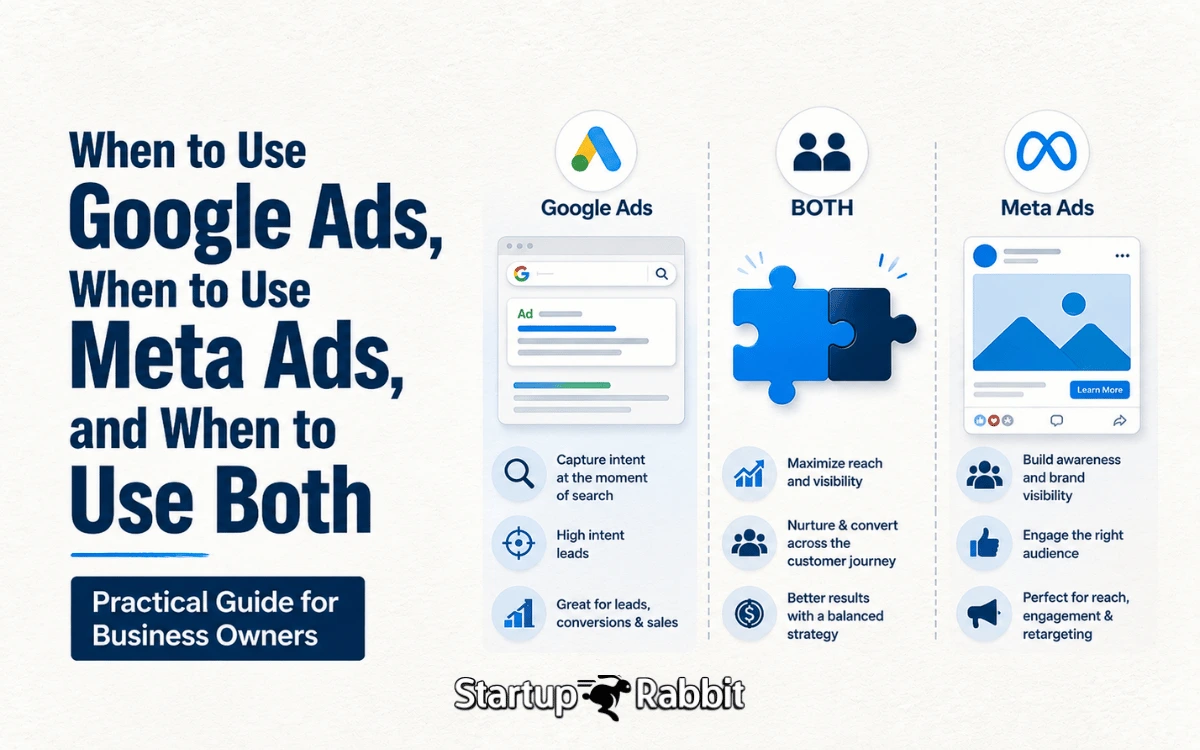
Almost every business owner eventually asks the same question: should our ad budget go to
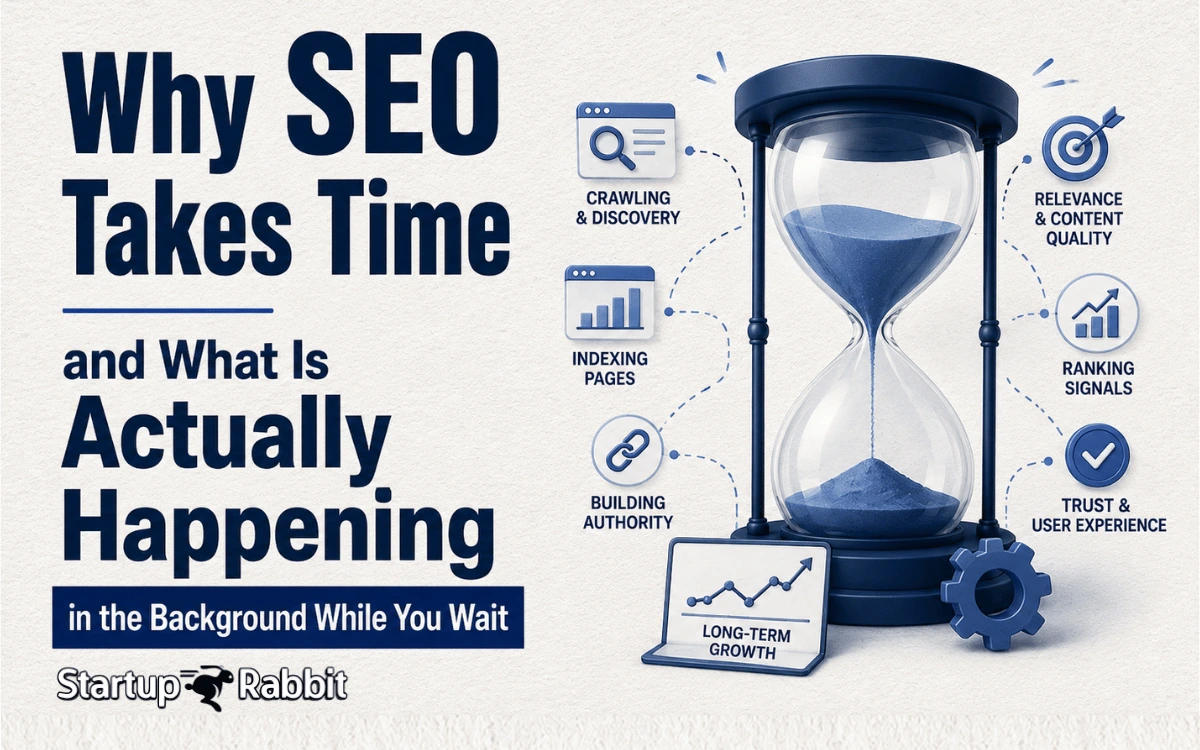
Every business owner asks some version of the same question within weeks of starting SEO:
Search has evolved from blue links to a rich mix of answers, conversations, and AI-generat